

Everything you need to know about PP non-woven fabrics
Polypropylene non-woven fabric, commonly known as PP non-woven fabric, has become a widely used material in both industrial production and everyday life. Thanks to its lightweight structure, durability, flexibility, breathability, and versatile processing capabilities, PP non-woven fabric can be adapted to a wide range of applications, from medical products and agricultural materials to shopping bags, packaging, and household products.
As businesses and consumers increasingly look for practical materials that can support more responsible consumption, PP non-woven fabric has gained greater attention. Its ability to be reused or recycled in appropriate systems, combined with relatively efficient production, makes it an attractive option for many applications.
The following article explores what PP non-woven fabric is, its key characteristics, and the industries where it is most commonly used.
1. What Is PP Non-Woven Fabric?
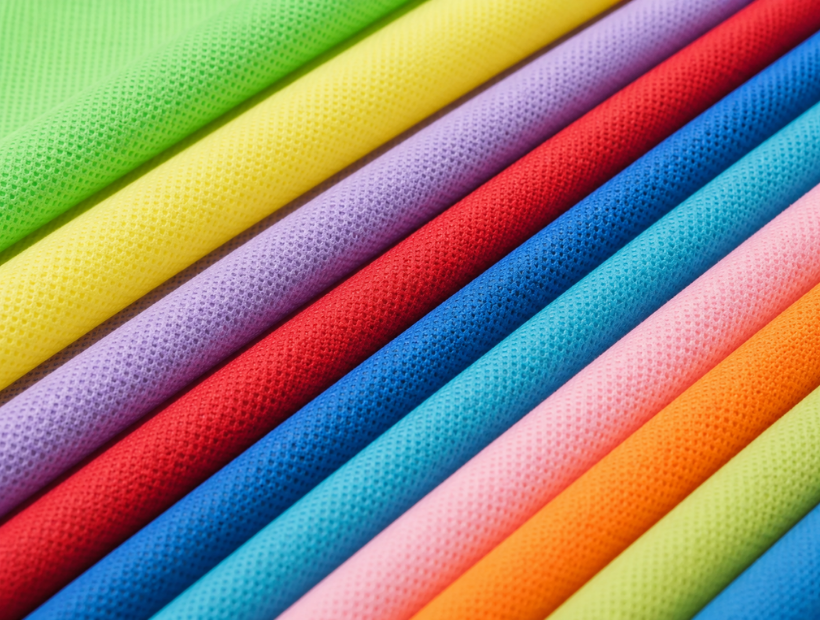
PP non-woven fabric is a fabric-like material produced primarily from polypropylene, a thermoplastic polymer widely used in the packaging, medical, agricultural, and consumer goods industries. Unlike conventional woven fabrics, PP non-woven fabric is not created by interlacing warp and weft yarns. Instead, polypropylene fibers or filaments are formed and bonded together through processes such as thermal bonding, mechanical bonding, or other specialized technologies.
This manufacturing method gives PP non-woven fabric a distinctive combination of lightweight construction, flexibility, strength, and processability. Manufacturers can adjust factors such as fabric weight, thickness, color, texture, and other specifications according to the intended application.
Another important advantage is its versatility. PP non-woven fabric can be converted into different products through cutting, sewing, heat sealing, printing, coating, lamination, and other downstream processes. This allows manufacturers to create products ranging from simple bags and protective covers to specialized medical and agricultural materials.
Polypropylene is also a recyclable thermoplastic. Where appropriate collection and recycling systems are available, PP-based products can potentially be recovered and processed into new materials, supporting more circular approaches to material use.
2. Key Characteristics of PP Non-Woven Fabric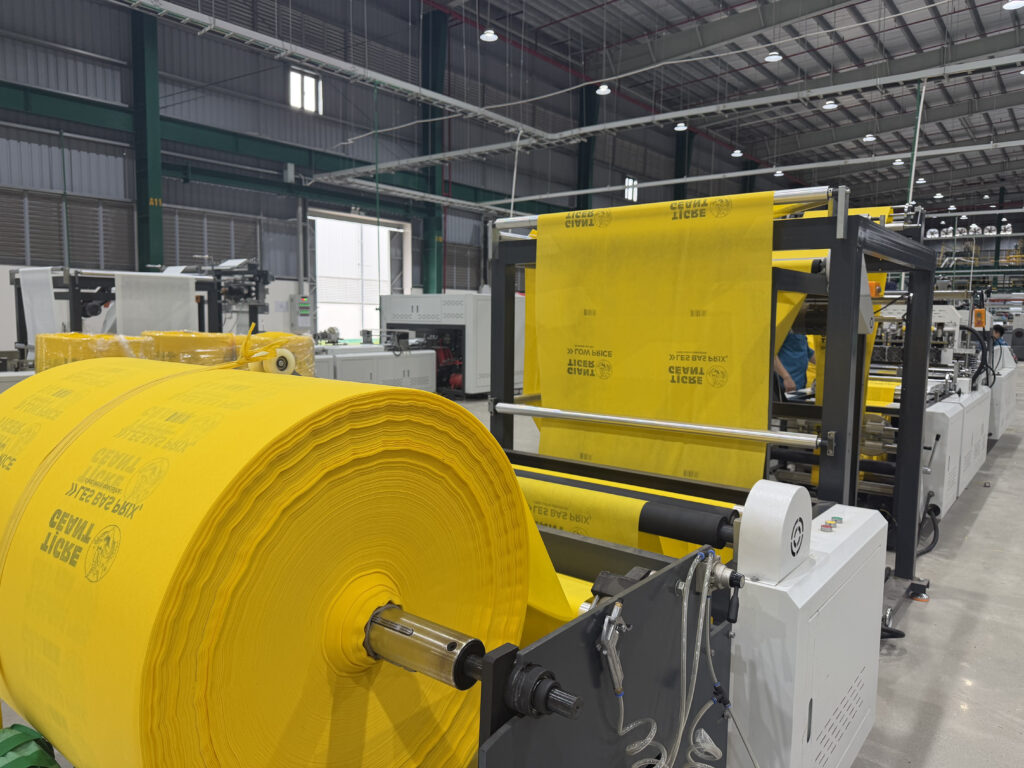
The growing popularity of PP non-woven fabric comes from its combination of functional and economic advantages. Depending on the manufacturing process and product specifications, the material can provide several useful characteristics.
Lightweight yet durable
One of the most notable properties of PP non-woven fabric is its favorable strength-to-weight ratio. The material is relatively lightweight while still providing good resistance to everyday handling. This makes it suitable for products that need to be easy to transport and carry without sacrificing basic durability. For example, reusable shopping bags can be manufactured from lightweight non-woven fabric while still providing sufficient strength for everyday use. The final durability depends on factors such as fabric weight, fiber structure, bonding method, product design, and intended application.
Breathable and comfortable
The structure of non-woven fabric can provide good air permeability, depending on the material density and manufacturing technology. This characteristic makes it useful in applications where breathability is important.
In the medical and hygiene sectors, for example, breathable PP non-woven materials are widely used in masks, protective garments, caps, and shoe covers. The specific performance of each product depends on its complete material structure and applicable technical standards.
Moisture resistance
Polypropylene has good resistance to water and moisture compared with many conventional natural fibers. This property allows PP non-woven fabric to perform well in applications where limited moisture exposure is expected.
For applications requiring greater protection, the material can be treated, coated, or laminated with additional layers. These treatments can enhance specific properties such as water resistance, barrier performance, printability, or surface protection.
Customizable colors, thicknesses, and structures
PP non-woven fabric can be manufactured in a wide range of colors, thicknesses, weights, and surface characteristics. This provides manufacturers with considerable flexibility when developing products for different industries.
For packaging and promotional applications, businesses can select colors that match their brand identity and customize the surface with logos, graphics, slogans, and other visual elements. Different thicknesses can also be selected depending on whether the final product is intended for lightweight promotional use, regular shopping, or more demanding applications.
Cost-effective for large-scale production
PP non-woven fabric can be produced efficiently on an industrial scale, making it suitable for high-volume manufacturing.
Its relatively lightweight nature can also help reduce transportation and handling requirements compared with heavier materials. When combined with standardized production and customization capabilities, this makes PP non-woven fabric an attractive option for businesses seeking a balance between product performance and production costs.
Reusable and recyclable
PP non-woven products can often be designed for repeated use, particularly in applications such as shopping bags and promotional bags. Reuse can extend the useful life of the product and reduce the need for repeated replacement.
Polypropylene can also be recycled through suitable recycling systems. However, it is important to distinguish recyclability from biodegradability: standard PP is not generally biodegradable under normal environmental conditions. Therefore, responsible collection, reuse, and recycling are important when considering the environmental benefits of PP non-woven products.
3. Applications of PP Non-Woven Fabric
Medical and hygiene products
The medical sector is one of the major applications for PP non-woven materials. They are commonly used to manufacture medical masks, surgical gowns, caps, shoe covers, protective clothing, and other disposable products.
The material can offer a combination of breathability, lightweight construction, and resistance to certain external contaminants. For specialized medical applications, however, the final product must be manufactured according to the relevant technical and safety requirements.
Bags and packaging
PP non-woven fabric is widely used to produce reusable shopping bags, tote bags, promotional bags, gift bags, and other packaging products. These bags can be customized in different sizes, colors, handle styles, and printing designs. Businesses can use them not only as practical packaging but also as a branding tool.
A reusable bag featuring a company logo or promotional message can continue generating brand exposure when customers use it for shopping, travel, work, or everyday activities.
Agricultural applications
In agriculture, PP non-woven materials can be used for crop protection, ground covers, weed-control materials, and other agricultural applications. Depending on the fabric structure and technical specifications, these materials can help regulate the conditions around crops, reduce weed growth, and provide protection against certain environmental factors. The exact performance varies according to fabric weight, permeability, treatment, and application, so selecting the appropriate specification is essential.
Furniture and interior applications
PP non-woven fabric can also be found in furniture and interior products. It may be used as backing material, lining, protective covering, or supporting material in products such as furniture components, mattresses, sofa structures, curtains, and decorative items. Its lightweight construction and ease of processing make it useful for manufacturers looking for flexible material solutions.
Fashion and consumer products
In the fashion and consumer goods sectors, PP non-woven fabric can be used in applications such as shoe components, bag linings, suitcase linings, protective covers, and organizers. Because it can be produced in different colors and thicknesses, manufacturers can adapt the material to different product designs and functional requirements.
4. Why Choose PP Non-Woven Fabric?
The biggest advantage of PP non-woven fabric is its versatility. Rather than being limited to a single industry, it can be engineered and processed into products with very different functions. For businesses, this flexibility means that one material category can support multiple product lines. Manufacturers can adjust thickness, weight, color, bonding technology, printing, coating, and other specifications according to the final application.
At the same time, the material’s lightweight construction, durability, reusability, and recyclability make it relevant to modern packaging and manufacturing trends. When combined with responsible product design and appropriate end-of-life management, PP non-woven products can contribute to more efficient material use.
5. Stavian Green Packaging – Your Trusted PP Non-Woven Fabric Supplier
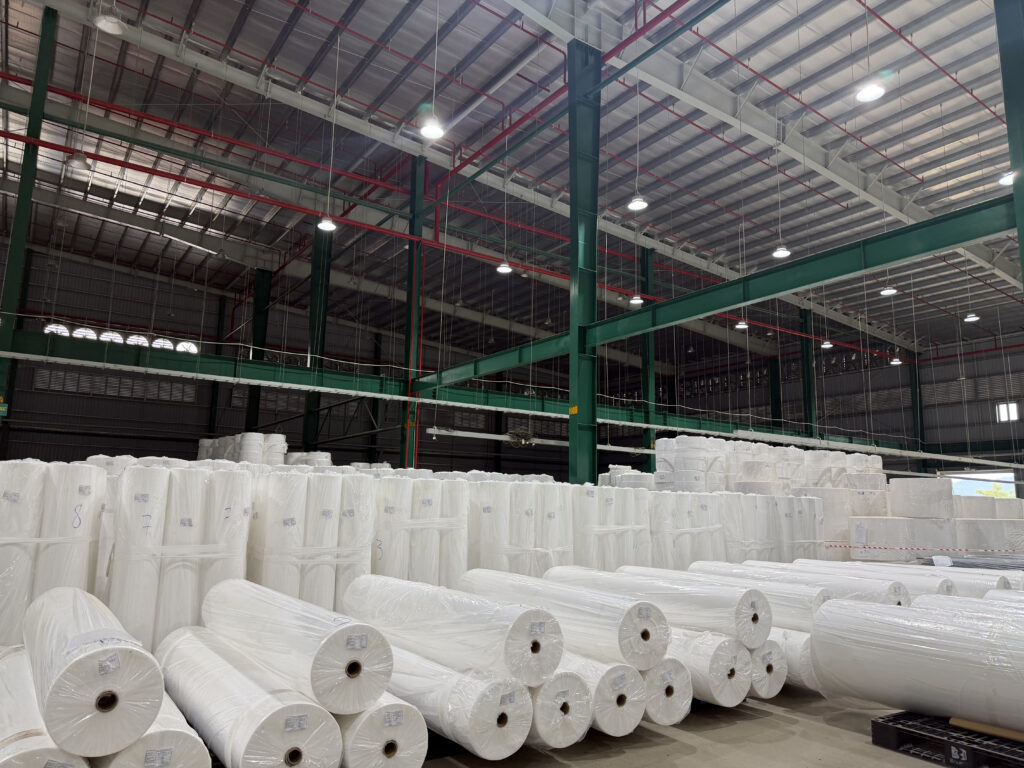
Choosing the right supplier is essential to ensure PP non-woven fabric meets your requirements for quality, durability, and application. Stavian Green Packaging provides high-quality PP non-woven fabric and customized non-woven products for packaging, retail, agriculture, medical, promotional, and other applications.
Key advantages include:
- Flexible sizes, colors, and thicknesses
- Customized printing and product designs
- Suitable for bags, packaging, and various non-woven products
- Production tailored to specific customer requirements
- Quality-focused and reliable manufacturing
Discover our non-woven products: https://staviangreenpackaging.com/products/
Contact us:
Email: sgp@stavianpackaging.com
Hotline: +84 333 579 229
Facebook: https://www.facebook.com/sgp.staviangreenpackagingvn/

