

The Best Cooler Bags: Ultimate Guide to Features & Uses
1. What Is a Cooler Bag?
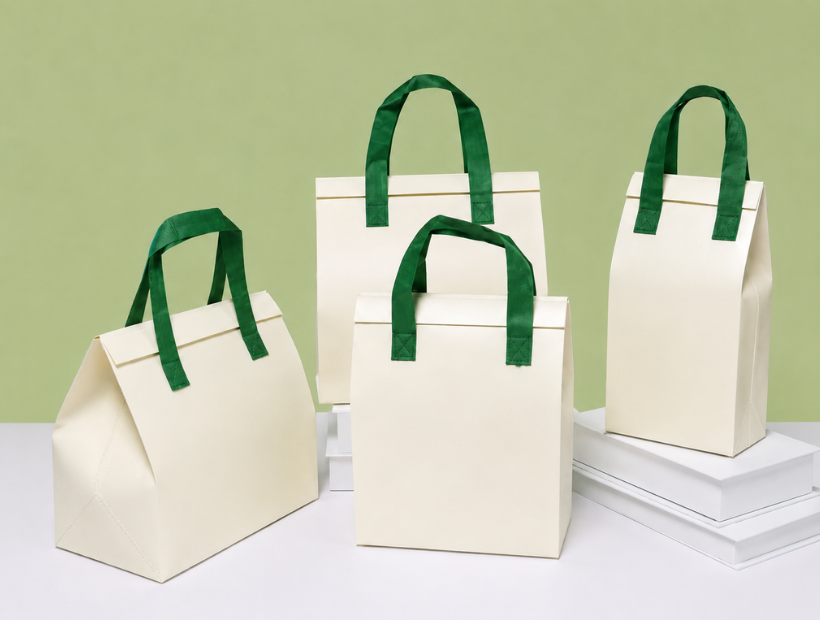
A cooler bag is an insulated bag designed to help keep food and beverages cool or, depending on its construction, warm for a period of time. Unlike ordinary shopping bags, it typically contains an insulating layer between the outer fabric and inner lining to slow heat transfer.
Most cooler bags do not actively refrigerate their contents. Instead, they help maintain the temperature of items already chilled or heated. Their performance depends on insulation thickness, lining materials, closure design, ambient temperature, and how frequently the bag is opened.
These bags are available in various formats, including lunch bags, grocery bags, picnic bags, delivery bags, and large-capacity carriers. Some designs also accommodate ice packs to help keep perishable products cool for longer.
Key Features of Cooler Bags
- Thermal Insulation: Insulation is one of the most important features of a cooler bag. Materials such as polyethylene foam and expanded polyethylene foam can help slow heat transfer between the contents and the external environment. The effectiveness of insulation depends on the material, thickness, bag construction, and quality of the seams and closures. For transporting perishable food, businesses should evaluate actual temperature-retention performance rather than relying on appearance alone.
- Lightweight and Portable Design: Most cooler bags are designed to be easy to carry. Handles, shoulder straps, foldable structures, and compact shapes can improve portability and storage convenience. Smaller designs are suitable for lunches and personal beverages, while larger models may accommodate groceries, picnic supplies, or food delivery orders.
- Moisture Resistance: The inner lining of a cooler bag is often designed to resist moisture from condensation, melted ice, or minor spills. Materials such as PEVA and certain coated fabrics are commonly used for this purpose. However, moisture resistance does not automatically mean the bag is fully waterproof or leakproof. Performance depends on the lining, seams, zippers, and overall construction.
- Customization Options: For businesses, customization can turn a functional bag into a branded promotional product. Options may include different dimensions, colors, printed logos, handle styles, pockets, and closure systems. Customized designs can help retailers, food brands, and promotional campaign organizers create packaging that reflects their visual identity while meeting practical requirements.
2. Common Materials Used in Cooler Bags

Polyester and Non-Woven PP Fabric
Polyester is commonly used for outer surfaces because it is available in different textures, colors, and fabric weights. Non-woven polypropylene (PP) fabric is another option for certain reusable bag designs.
Non-woven PP fabric is lightweight, flexible, and suitable for customization. When incorporated into an insulated bag design, it may serve as the outer layer, while separate materials provide thermal insulation and moisture resistance.
PE and EPE Foam
Polyethylene (PE) foam and expanded polyethylene (EPE) foam are used in various insulated products. Their cellular structure helps reduce heat transfer while adding cushioning.
The insulation layer’s thickness and density influence the finished product’s bulk, flexibility, and thermal performance. The appropriate specification depends on the intended use and temperature-retention requirements.
Aluminum Foil and Reflective Linings
Some designs use aluminum foil or reflective laminated materials as part of the inner lining. These layers can help reduce radiant heat transfer when incorporated into an appropriate insulated structure.
Their effectiveness depends on the complete bag design, including the insulation layer and closure system. A reflective surface alone does not guarantee long-lasting temperature control.
PEVA and Other Moisture-Resistant Linings
PEVA is commonly used as an inner lining in insulated bags because it is flexible and can provide a moisture-resistant surface.
Other lining materials may also be selected according to cleaning requirements, durability, and intended contact with food or beverages. Businesses should verify material suitability and applicable food-contact requirements for their intended market.
3. Applications of Cooler Bags

Food and Beverage Shopping
Insulated bags can help transport chilled groceries, dairy products, beverages, and other temperature-sensitive purchases from stores to homes. Their effectiveness depends on the time spent in transit and the temperature of the contents when packed.
Lunch and Daily Use
Compact designs are convenient for office workers, students, and people who bring meals from home. They can accommodate lunch containers, drinks, and reusable utensils.
Picnics and Outdoor Activities
For picnics, camping, beach trips, and outdoor gatherings, larger bags can carry food, drinks, and ice packs. Durable outer fabrics and comfortable handles can improve convenience during transport.
Food Delivery and Catering
Restaurants, catering companies, and delivery services may use insulated bags to help maintain food temperature during transportation. Commercial applications require careful evaluation of insulation performance, cleaning procedures, capacity, and food safety requirements.
Promotional Campaigns and Retail Branding
Businesses can use customized insulated bags as promotional gifts, event merchandise, or branded shopping accessories. A useful product with an attractive design can provide repeated brand exposure when customers continue using it.
4. Explore Packaging Solutions with Stavian Green Packaging
Choosing suitable materials is an important step in developing packaging that meets functional and branding requirements. Stavian Green Packaging provides PP packaging solutions, including non-woven PP fabric and non-woven bags, with customization options for different business needs.
For businesses exploring customized bags or reusable packaging concepts, material specifications, construction, printing, and intended applications should be considered together. Insulated designs may require additional materials and technical evaluation to achieve the desired temperature-retention performance.
Contact Stavian Green Packaging to discuss packaging requirements and explore suitable material and customization options for your business.
Website: https://staviangreenpackaging.com/
Facebook: https://www.facebook.com/sgp.staviangreenpackagingvn/
Email: sgp@stavianpackaging.com
Phone: +84 333 579 229
Address:
Headquarter: 5Ath Floor, Office Area, Century Tower Building, No. 458 Minh Khai Street, Vinh Tuy Ward, Hanoi City, Vietnam
Factory: Block 89, Lien Hoa Industrial Cluster, Lien Hoa Ward, Phu Tho, Vietnam

