

PP Packaging – The Optimal Choice for a Green and Sustainable Future
As the world intensifies efforts to reduce plastic waste and accelerate the transition toward a circular economy, businesses are increasingly looking for packaging materials that can balance performance, cost efficiency, durability, and environmental responsibility. Among the many plastic materials available today, PP packaging (Polypropylene packaging) is increasingly recognized as a versatile solution for both industrial and consumer applications.
Polypropylene, commonly known as PP, offers a valuable combination of lightweight construction, mechanical strength, chemical resistance, and recyclability. These properties allow PP packaging to be used repeatedly in many applications, helping businesses extend product life cycles and reduce the need for frequent replacement.
From industrial sacks and agricultural packaging to reusable shopping bags and promotional products, PP-based packaging has become an important part of modern packaging systems. When properly designed, used, collected, and recycled, PP products can contribute to a more resource-efficient packaging model and support businesses in pursuing long-term sustainability goals.
1. What Is PP Plastic Packaging?
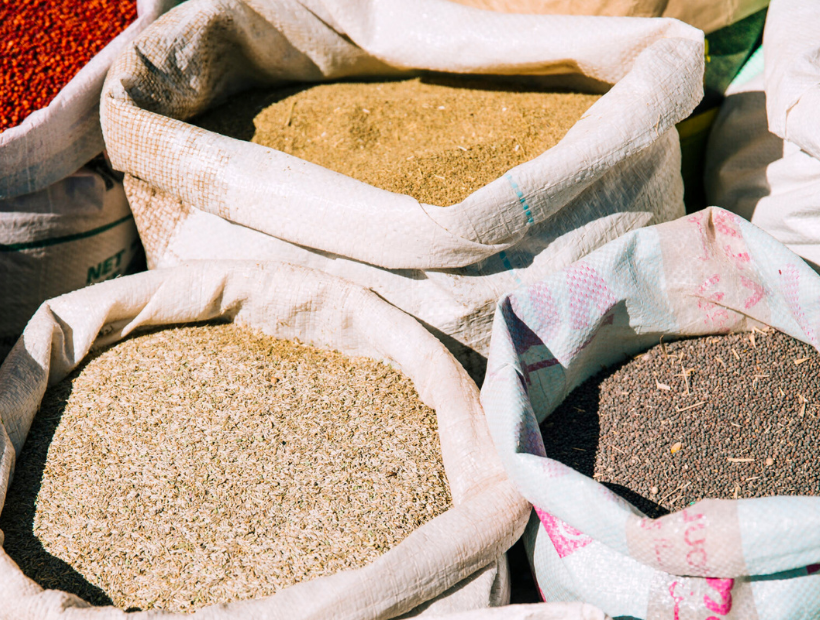
PP plastic packaging refers to packaging products manufactured using Polypropylene (PP), a thermoplastic polymer widely used in the packaging industry.
PP is known for being lightweight while maintaining good mechanical strength. It also offers resistance to moisture, many chemicals, and impact, making it suitable for packaging applications that require durability and reliable performance. Another important characteristic of PP is its relatively high melting point compared with some other common commodity plastics. This gives PP products useful heat resistance for many everyday applications, although the appropriate temperature range always depends on the specific product structure and formulation.
PP can be processed into different forms, including woven fabric, non-woven fabric, films, containers, and other packaging components. This versatility allows manufacturers to develop products for different industries and usage conditions. From a sustainability perspective, PP is also a commonly recyclable plastic. Its established recycling pathways can allow suitable PP products to be collected, processed, and converted into recycled materials when appropriate collection and recycling infrastructure is available.
Therefore, the sustainability benefits of PP packaging should not be considered solely from the material itself. Product design, durability, reuse, collection, recycling systems, and responsible end-of-life management all play an important role.
With the right application and lifecycle management, PP packaging can help businesses:
- Reduce dependence on single-use packaging.
- Extend the useful life of packaging products.
- Reduce the amount of packaging discarded after a single use.
- Support reuse and recycling initiatives.
- Optimize packaging performance and transportation efficiency.
- Develop packaging solutions aligned with circular economy principles.
These advantages make PP an attractive material for companies seeking a balance between packaging performance and sustainability.
2. Why Is PP Packaging Increasingly Important for Sustainable Development?
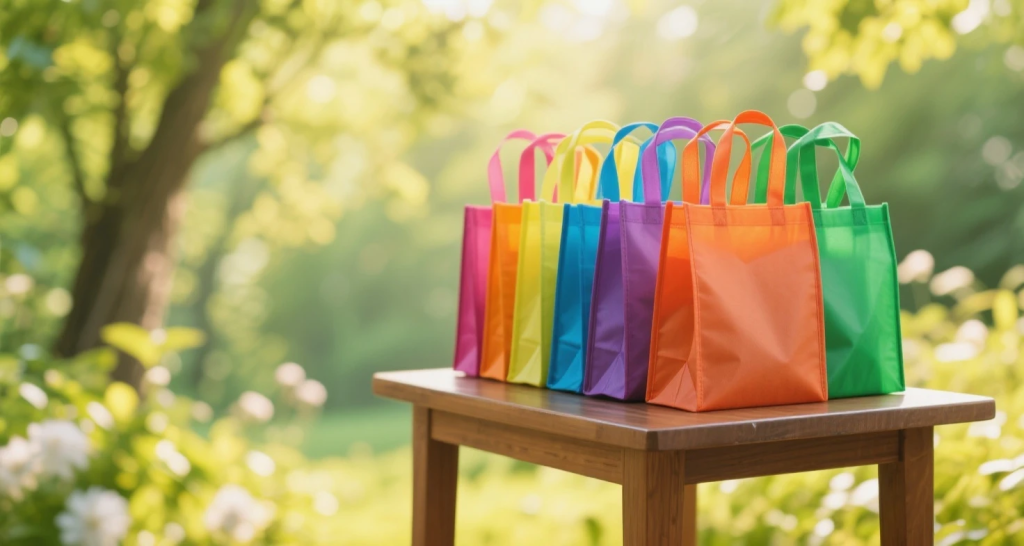
The packaging industry is undergoing significant changes as governments, businesses, and consumers place greater emphasis on waste reduction and resource efficiency.Traditional single-use packaging can create significant waste when it is not properly collected or managed after use. As a result, businesses are increasingly exploring reusable packaging and materials that can potentially be recovered and recycled.
PP provides several characteristics that support this transition.First, its durability can allow packaging products to be used multiple times. A reusable PP bag, for example, can serve customers through numerous shopping trips instead of being discarded immediately after one transaction.
Second, PP’s relatively low density means that products made from the material can be lightweight while still providing useful strength. This can be beneficial for packaging, transportation, and storage.
Third, PP can be recycled into secondary raw materials when suitable collection and processing systems are available. This creates opportunities to keep material resources in circulation for longer and reduce dependence on virgin raw materials.
For businesses, adopting PP packaging can therefore be part of a broader sustainability strategy rather than simply a change in packaging material.
3. PP Woven Fabric – A Durable Solution for Industrial Packaging
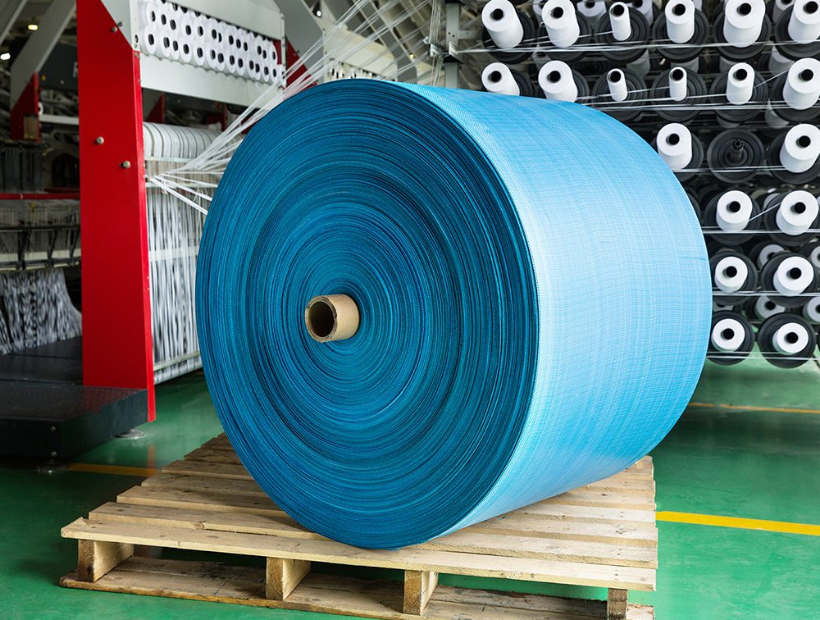
Among PP-based packaging materials, PP woven fabric is particularly well known for its strength and load-bearing performance. PP woven fabric is manufactured by extruding PP into tapes or similar elements and weaving them together to create a strong fabric structure. The interwoven construction provides good tensile strength and durability, making it suitable for packaging products that need to withstand handling, transportation, and storage.
The material can be produced in different thicknesses and specifications depending on the intended application. Manufacturers can also combine the woven fabric with other layers or surface treatments when additional properties are required.
PP woven fabric is widely used across industrial and agricultural sectors, including:
- Agricultural packaging bags.
- Rice and grain bags.
- Fertilizer bags.
- Animal feed bags.
- Cement and construction material bags.
- Chemical packaging bags.
- Industrial bulk bags.
- Jumbo bags and FIBCs.
These applications require packaging that can withstand considerable mechanical stress. PP woven structures are therefore particularly suitable for businesses that need reliable packaging for heavy or bulky materials.
PP Woven Bags for Retail and Consumer Markets
The application of PP woven fabric is not limited to industrial packaging.
With appropriate design and printing, PP woven bags can also be used in retail environments as reusable shopping bags, market bags, supermarket bags, promotional bags, and other reusable packaging products.
The relatively large surface area of woven bags provides space for logos, slogans, product information, and promotional graphics. This allows businesses to combine packaging functionality with brand communication.
A well-designed PP woven shopping bag can remain in use long after the original purchase, giving the brand additional visibility every time the customer carries it in public.
4. PP Non-Woven Fabric – Lightweight, Versatile, and Practical
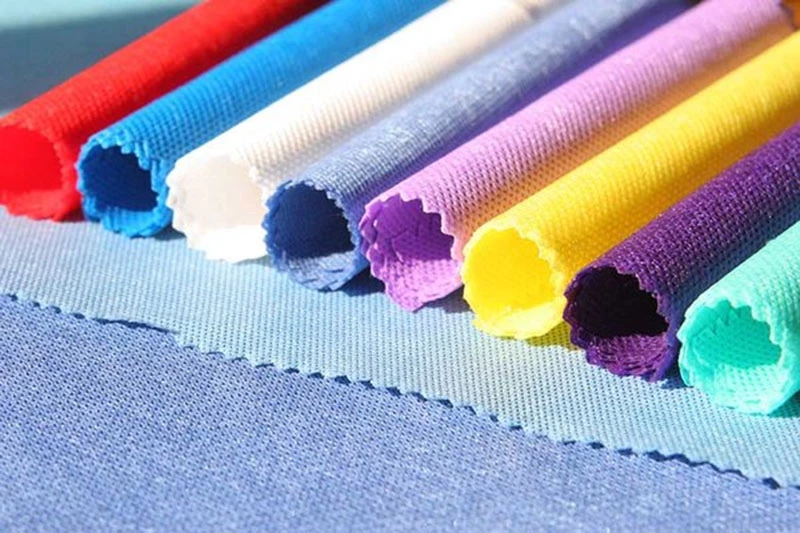
Alongside PP woven fabric, PP non-woven fabric is another important material used in modern reusable packaging. Unlike woven fabric, which is produced by interlacing yarns or tapes, non-woven fabric is manufactured by bonding or mechanically interlocking fibers. This creates a lightweight and flexible material that can be processed into various bag shapes and designs.
PP non-woven fabric is particularly popular for consumer-oriented products because it offers a good combination of lightweight construction, flexibility, appearance, and cost efficiency.
Typical applications include:
- Reusable shopping bags.
- Supermarket bags.
- Promotional and giveaway bags.
- Event and conference bags.
- Fashion and retail bags.
- T-shirt bags.
- Gift bags.
- Branded corporate bags.
The material can be produced in various colors and thicknesses, while its relatively flat surface provides a suitable area for printing.
For companies participating in exhibitions, promotional campaigns, or corporate events, customized PP non-woven bags can serve both as practical packaging and as a communication tool.
5. PP Woven vs. PP Non-Woven: Which One Is More Suitable?
Both PP woven and PP non-woven fabrics can provide valuable packaging solutions, but their characteristics make them suitable for different purposes. PP woven fabric is generally preferred when strength, durability, and load-bearing capacity are the primary requirements. It is particularly suitable for industrial packaging and reusable bags designed to carry heavier products.
PP non-woven fabric, on the other hand, is often selected for lightweight consumer packaging where appearance, flexibility, customization, and cost efficiency are important considerations. The choice should therefore be based on the intended application rather than simply selecting one material as universally better than the other.
Businesses should consider factors such as:
- Product weight and dimensions.
- Expected frequency of reuse.
- Required material thickness.
- Moisture resistance requirements.
- Printing and branding needs.
- Bag structure and handle design.
- Order volume.
- Target cost.
- Storage and transportation conditions.
By evaluating these factors before production, businesses can select a PP packaging solution that provides the right balance between performance, appearance, and cost.
6. Comprehensive PP Packaging Solutions from Stavian Green Packaging
Choosing the right packaging material is only the first step. Businesses also need a manufacturing partner capable of delivering consistent quality, flexible customization, and solutions that match their specific application requirements.
Stavian Green Packaging provides a wide range of PP woven and PP non-woven packaging solutions for different industries and business needs. Customers can select from various sizes, colors, thicknesses, designs, and printing options, allowing packaging to be customized according to product requirements and brand identity. Whether you need durable PP woven bags for industrial applications or lightweight PP non-woven bags for retail, promotional campaigns, and events, choosing the appropriate material and structure can help optimize packaging performance while supporting long-term business objectives.
PP packaging is more than simply a durable alternative to traditional packaging. With the right design, appropriate usage, reuse, and effective recycling systems, PP can play an important role in creating packaging solutions that are functional, reusable, resource-efficient, and better aligned with circular economy goals.
As businesses continue to adapt to changing environmental expectations, PP packaging can provide flexible solutions that meet both practical packaging requirements and evolving sustainability needs.
Discover PP packaging solutions from Stavian Green Packaging: https://staviangreenpackaging.com/products/
Customers and businesses can connect with us via:
Website: https://staviangreenpackaging.com/
Email: sgp@stavianpackaging.com
Hotline: +84 333 579 229
Facebook: https://www.facebook.com/sgp.staviangreenpackagingvn/

