Non-woven bags – 3 reasons why supermarket chains and stores should use them

In a context where consumers are increasingly concerned about the environmental impact and regulations restricting single-use plastic bags and other single-use items, non-woven bags are becoming a smart eco-friendly alternative for supermarket chains, convenience stores, and shopping centers. Non-woven bags are made from non-woven polypropylene fabric and represent an ideal sustainable packaging solution. They are lightweight, durable, and highly reusable. This article shares the 3 main reasons why non-woven fabric bags have become an ideal reusable packaging solution, while also introducing their outstanding features for easy application in your business.

1. What are non-woven bags? Key features of non-woven bags
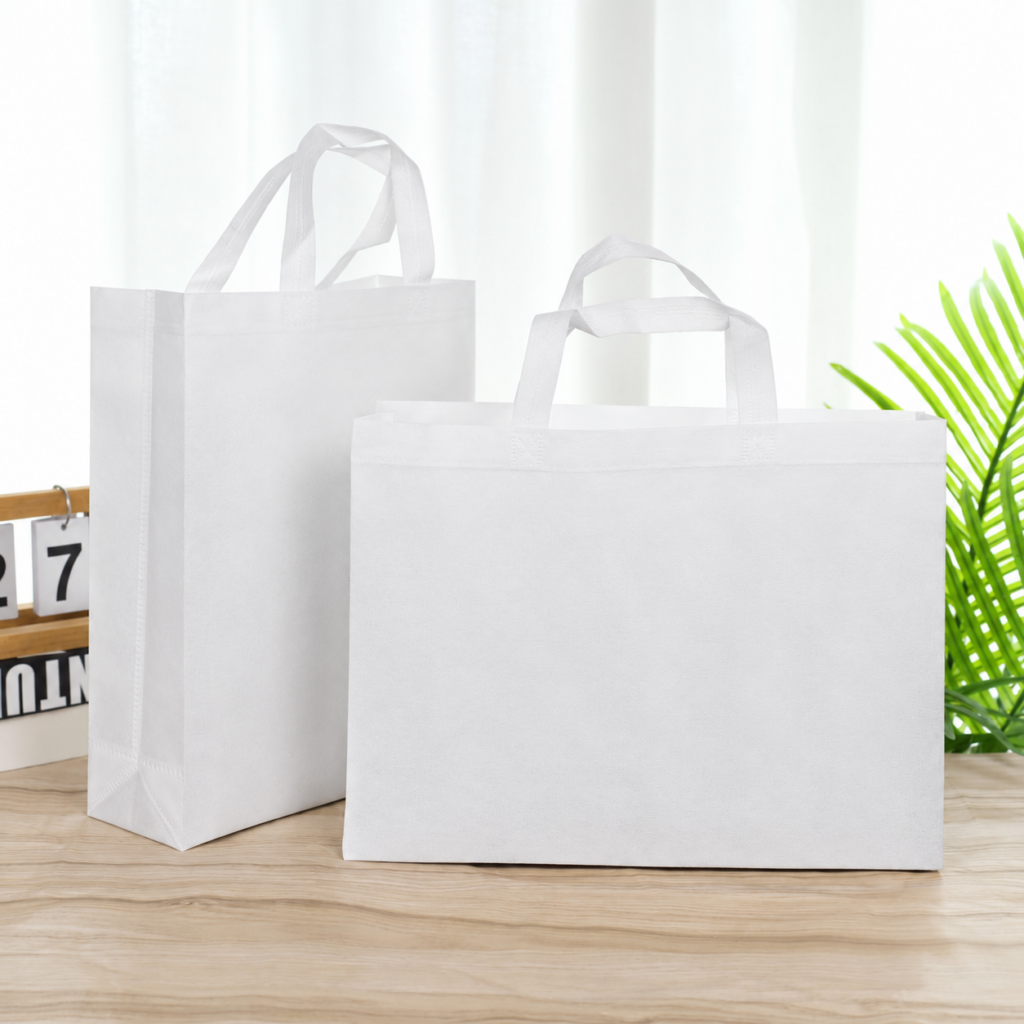
non-woven bags

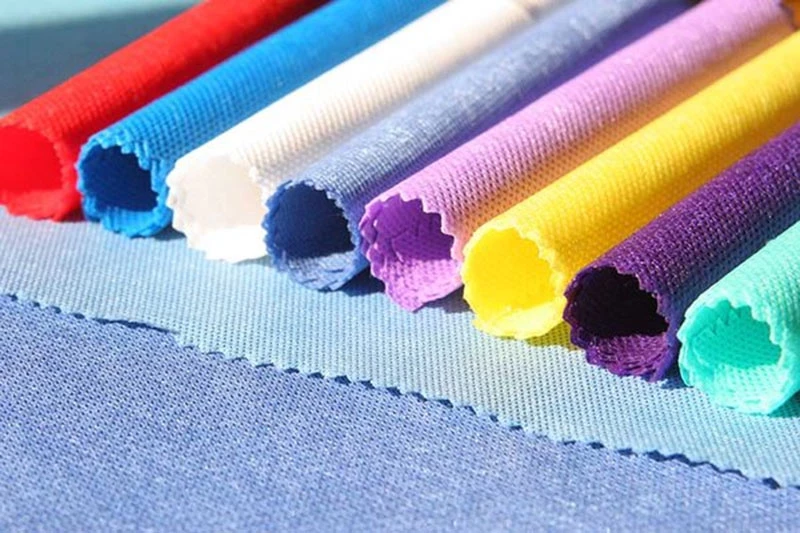
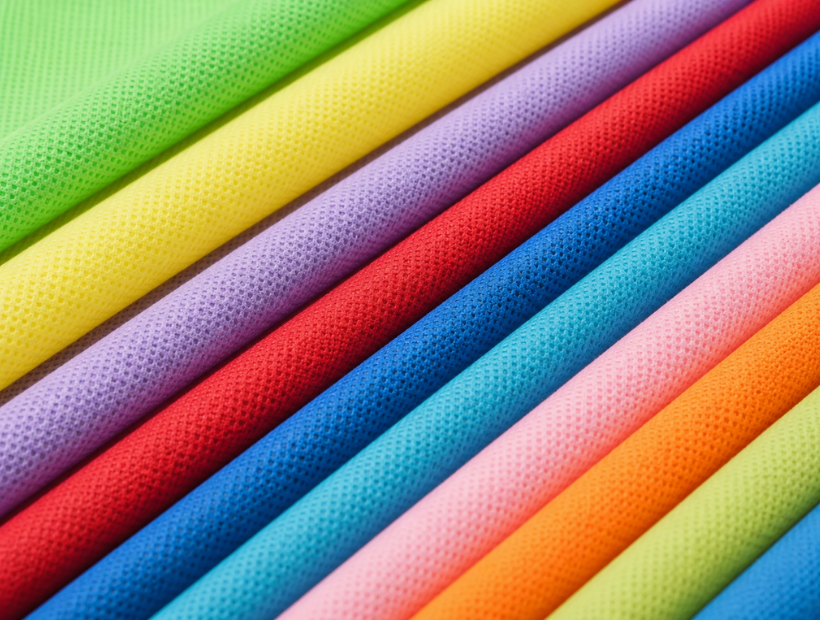
Non-woven bags, also known as pp non-woven bags or non woven bag products, are produced from polypropylene fibers bonded by heat through a spun-bonded manufacturing process without traditional weaving. This creates a soft, breathable, water-resistant yet extremely strong material. Unlike thin plastic bags that tear easily, non-woven fabric bags have a thickness ranging from 50-120gsm, excellent tear resistance, sharp printing quality, and are easy to fold compactly.Compared to canvas bags, jute bags, or burlap bags made from natural coarse fabrics, non-woven fabric bags offer advantages in cost and mass production capability while using recyclable materials.

The main features of non-woven bags include:

-Eco-friendly, reusable and recyclable up to 50-100 times.
-Lightweight carry bags, easy to transport, with high durability and strength and the load capacity to hold 10-15kg depending on thickness.
-Easy logo and slogan custom printing using offset, screen printing, heat transfer printing, lamination printing, or flexographic printing technology.
-Reasonable pricing with flexible minimum order quantities, suitable for large-volume production for supermarkets and stores.

With these advantages, non-woven fabric bags not only replace single-use plastic bags but also contribute to building a green brand image for retail businesses.

2. 3 Reasons why supermarkets and stores should use non-woven fabric bags
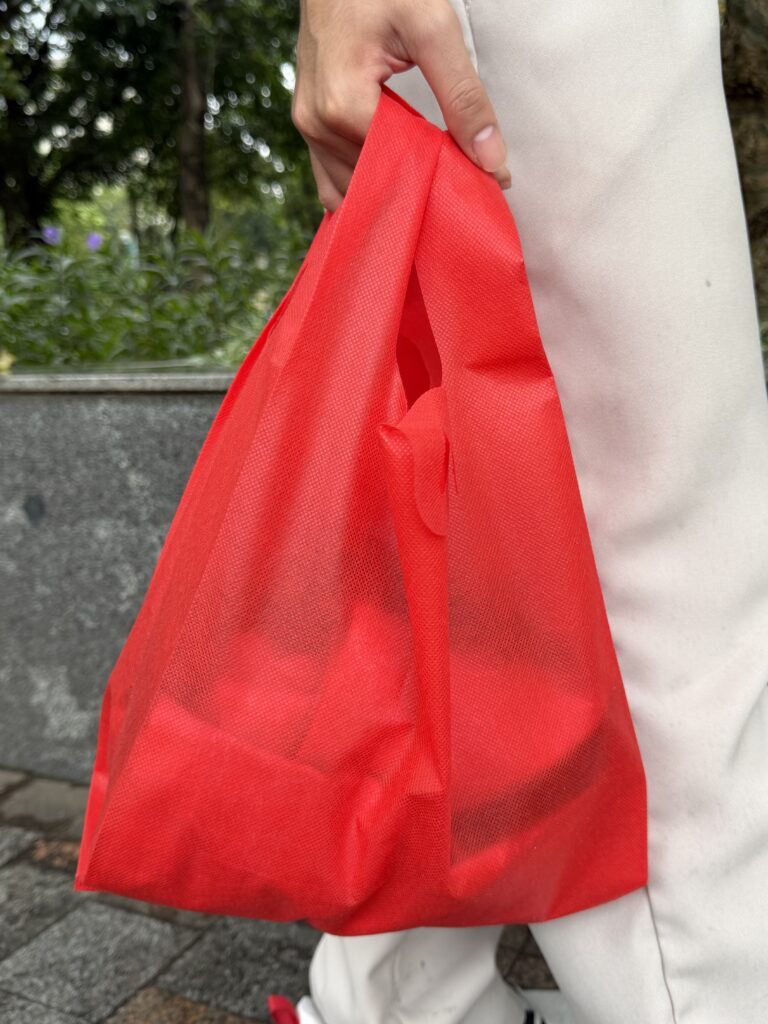
Túi vải PP không dệt

2.1. Protect the Environment and Ensure Legal Compliance

One of the top reasons supermarket chains and stores should switch to non-woven bags is their ability to minimize solid waste and plastic pollution. Single-use plastic bags are strictly restricted under Vietnam’s Law on Environmental Protection 2020 and related decrees. Using non-woven fabric bags helps businesses achieve regulatory compliance and environmental compliance while significantly reducing the amount of plastic bags released into the environment, preventing microplastics contamination and encouraging customers to reuse them and adopt a greener lifestyle as part of the green revolution.

According to various studies, each non-woven fabric bag can replace hundreds of single-use plastic bags, contributing to reduced carbon footprint and carbon emissions while protecting ecosystems. The recyclability of non-woven fabric bags also helps minimize post-use landfill waste, creating a sustainable circular economy aligned with sustainability goals. Modern customers prefer shopping at places that use non-woven fabric bags because they feel cleaner and greener. Businesses adopting non-woven fabric bags not only comply with regulations but also enhance their corporate social responsibility (CSR) image and improve esg reporting, demonstrating commitment to sustainability initiatives.

2.2. Achieve Long-Term Cost Savings and Increase Supply Chain Sustainability

Non-woven fabric bags have a much longer lifespan compared to regular plastic bags. A supermarket chain using non-woven fabric bags can save significantly on daily bag replacement costs and achieve long-term savings on packaging costs. The low cost per use makes them economically attractive. Customers are encouraged to bring back old bags or purchase additional ones at preferential prices through bulk purchasing options, creating an extra revenue stream for the store and improving profit margins.

In particular, non-woven fabric bags feature high durability and strong load-bearing capacity, reducing the risk of tearing during bulk shopping. For fashion retail stores, mini-supermarkets, food service establishments, delivery services, or convenience stores, using non-woven bags also optimizes storage space thanks to their compact and lightweight design, enhancing operational efficiency. The total long-term cost is much lower than continuously purchasing single-use plastic bags.

2.3. Enhance Brand Recognition and Customer Experience

Non-woven bags serve as the most effective “mobile billboards” and marketing tool for supermarkets and stores in brand marketing strategies. With a flat surface and vibrant color printing, businesses can easily print logos, promotional messages, or product information on custom non-woven promotional bags. When customers carry the grocery bags outside, your brand gains free exposure and enhanced brand visibility.

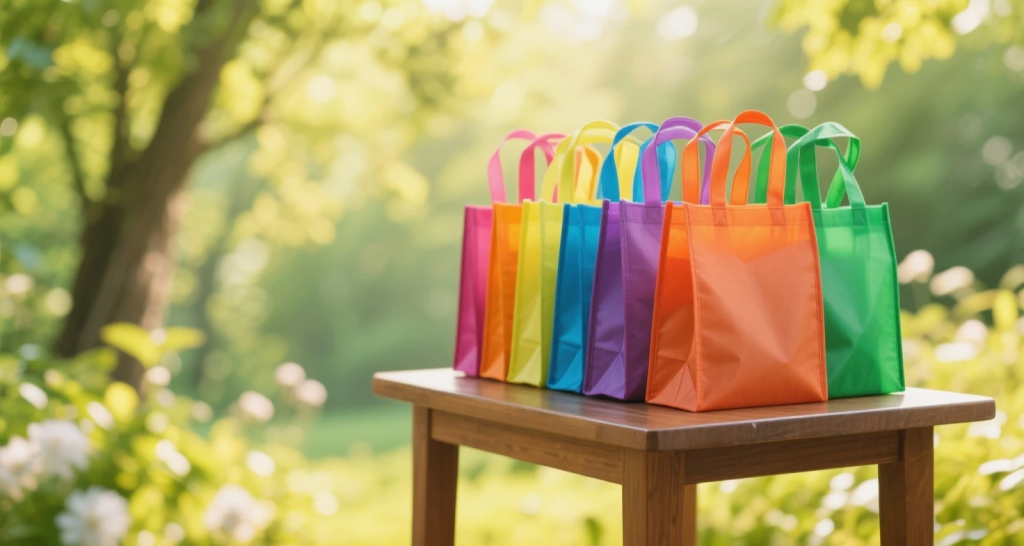
Many large supermarket chains have adopted non-woven fabric bags printed with the store name for promotional campaigns, trade shows, and corporate events, making customers feel more valued and connected while building customer loyalty. These are not just shopping bags but also small gift items that enhance the overall shopping experience and improve consumer perception. The positive brand image enhancement and brand reputation benefits are substantial. Non-woven fabric bags come in a variety of sizes and colors, from simple tote bags to more complex retail packaging designs, making them suitable for all types of businesses, from large supermarkets to specialty stores.

3. Stavian Green Packaging – Quality non-woven bags solutions for supermarkets and stores

If you are looking for high-quality, durable, and competitively priced non-woven bags, Stavian Packaging is a reliable partner offering comprehensive packaging solutions. We offer a wide range of non-woven bags that meet strict quality standards, suitable for supermarket chains and retail stores, from standard shopping bags to specialized custom non woven designs.

You can explore our non-woven fabric bags product line here: https://staviangreenpackaging.com/products/

Customers and businesses can connect with us via:

Website: https://staviangreenpackaging.com/
Email: sgp@stavianpackaging.com
Hotline: +84 333 579 229
Facebook: https://www.facebook.com/sgp.staviangreenpackagingvn/


Non-woven T-shirt bags – A eco-friendly packaging solution

As plastic waste pollution becomes increasingly severe, businesses and consumers are paying greater attention to packaging solutions that can reduce reliance on single-use plastic bags. This shift has accelerated the demand for reusable, durable, and more environmentally conscious alternatives.

Among these solutions, non-woven T-shirt bags have emerged as a practical choice for supermarkets, convenience stores, fashion retailers, food businesses, event organizers, and promotional campaigns. Featuring a convenient T-shirt-style handle and a lightweight yet durable structure, these bags combine functionality, brand visibility, and reusability in one packaging solution.

For businesses, non-woven T-shirt bags are not simply a replacement for traditional plastic bags. They can also become an effective branding tool, helping companies communicate their identity while providing customers with a practical bag that can be used repeatedly.

1. What Are Non-Woven T-Shirt Bags?

Non-woven T-shirt bags

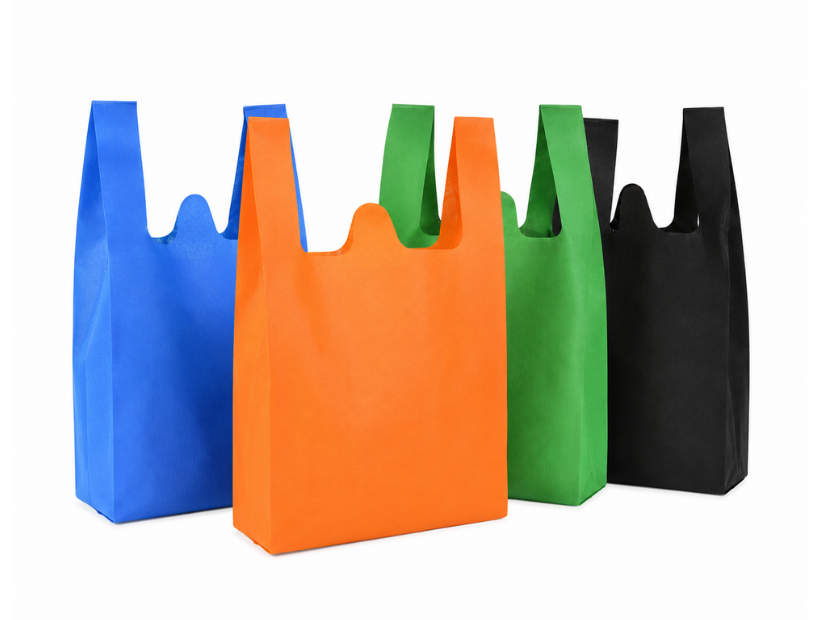
Non-woven T-shirt bags are reusable shopping bags made from non-woven fabric and designed with integrated handles that resemble the shape of a traditional T-shirt. This handle structure allows users to carry the bag conveniently without requiring additional handles to be attached separately.

Non-woven fabric is produced by bonding or mechanically interlocking fibers rather than weaving them together in the traditional textile manufacturing process. The resulting material is lightweight, flexible, and suitable for producing a wide range of packaging products. Depending on the intended application, non-woven T-shirt bags can be customized in different sizes, colors, thicknesses, and printing designs. Businesses can therefore select a suitable structure based on the type and weight of products that the bags are expected to carry.

Thanks to their practical shape and relatively simple structure, these bags are widely used in retail environments, supermarkets, convenience stores, fashion shops, promotional events, exhibitions, and corporate campaigns.

2. Key Advantages of Non-Woven T-Shirt Bags

Non-woven T-shirt bags

2.1. Durable and Lightweight Material

One of the key advantages of non-woven T-shirt bags is the balance between durability and lightweight construction. Compared with conventional thin single-use plastic bags, properly designed non-woven bags can provide better resistance to tearing and repeated handling. Their structure allows them to carry everyday shopping items while remaining lightweight and easy to transport.

The durability of the bag depends on several factors, including fabric thickness, material quality, bag dimensions, handle design, and manufacturing technology. Therefore, businesses should select the appropriate specifications according to the intended load and frequency of use.

For retail businesses, this combination of strength and light weight can provide customers with a more convenient shopping experience while supporting repeated use.

2.2. Reusable and Cost-Effective

A major advantage of non-woven T-shirt bags is their ability to be reused. Unlike conventional single-use plastic bags that are generally discarded after one shopping trip, a reusable non-woven bag can accompany customers on multiple shopping trips or be used for different everyday purposes.

For businesses, this creates an opportunity to provide packaging that delivers value beyond the initial purchase. A customer may continue using the same bag at supermarkets, stores, workplaces, or other locations. Over time, repeated use can also help businesses reduce their dependence on continuously distributing single-use packaging. When purchased and managed efficiently at scale, reusable bags can become a practical long-term packaging solution.

2.3. Large Printing Area for Brand Promotion

Packaging is often one of the most visible touchpoints between a brand and its customers. Non-woven T-shirt bags offer a relatively large and flat surface, making them suitable for printing logos, slogans, product information, campaign messages, and other visual elements. Businesses can customize the bag according to their brand identity, including corporate colors, logos, typography, and promotional graphics.

When customers reuse the bags in public spaces, the printed design can increase brand exposure beyond the original point of purchase. In this way, the bag can function as a mobile marketing tool. For retailers and brands participating in promotional campaigns, trade fairs, or corporate events, customized non-woven T-shirt bags can also help create a consistent and professional visual identity.

2.4. Light Water Resistance and Easy Maintenance

Depending on the material structure and optional surface treatment, non-woven bags can provide a certain level of resistance to moisture and light water exposure. This feature can be useful when customers carry products in different environments. The bag can also be relatively easy to clean and maintain, depending on its construction and printing method.

After use, users can wipe the surface when necessary and allow the bag to dry before storing it for the next use. Proper maintenance can help extend the usable life of the bag and maximize the value of reusable packaging. However, businesses should select the appropriate material and surface treatment when the bags are intended for products or environments requiring higher moisture resistance.

2.5. Convenient T-Shirt Handle Design

The integrated T-shirt-style handle is one of the defining characteristics of this type of bag. Instead of using separate handles, the handle is formed as part of the bag structure. This creates a simple and practical design that is easy for customers to hold and carry.

The handle can also be customized according to the intended load and bag dimensions. For applications involving heavier products, the handle area may require additional consideration during the design and manufacturing process to ensure suitable strength and durability. For everyday shopping, the T-shirt handle design offers a familiar and convenient carrying experience, making the bags suitable for high-volume retail environments.

3. Flexible Applications Across Multiple Industries

The versatility of non-woven T-shirt bags makes them suitable for a wide range of industries and business activities:

-Supermarkets and convenience stores: These bags can be used as reusable shopping bags for customers purchasing groceries, household products, and everyday necessities.

-Fashion and retail stores: Businesses can customize the bags with their logo, brand colors, and promotional messages, turning packaging into an extension of their store identity.

-Food and takeaway businesses: Non-woven bags can be considered for carrying selected packaged products, promotional items, or non-liquid goods, depending on the bag specifications and application requirements.

-Trade fairs and exhibitions: Companies can use customized bags to distribute brochures, catalogs, samples, gifts, and promotional materials to visitors.

-Marketing and promotional campaigns: With a large printable surface, non-woven T-shirt bags can effectively communicate campaign messages while providing customers with a reusable product.

4. Why Should Businesses Choose Non-Woven T-Shirt Bags?

Non-woven T-shirt bags

Choosing packaging is no longer simply a question of price and convenience. Businesses increasingly need to consider durability, customer experience, brand visibility, and environmental responsibility.

Non-woven T-shirt bags offer a combination of these benefits. Their reusable structure provides practical value, while their customizable surface allows businesses to strengthen brand recognition. For retailers, a well-designed bag can make the shopping experience more professional. For brands, it can provide an additional communication channel. For customers, it can become a useful reusable item rather than packaging that is immediately discarded.

From a long-term perspective, investing in reusable packaging can also support a company’s efforts to reduce unnecessary dependence on single-use bags and communicate a more responsible approach to packaging. Importantly, the most suitable bag should always be selected based on actual application requirements. Factors such as product weight, bag dimensions, material thickness, printing requirements, handle structure, order volume, and intended frequency of reuse should all be considered before production.

5. Customize Non-Woven T-Shirt Bags to Match Your Brand

One of the major advantages of non-woven T-shirt bags is their flexibility in customization. Businesses can select different sizes, colors, material thicknesses, printing designs, and finishing options according to their specific requirements. The bag can be designed to match corporate branding or a particular promotional campaign.

For large-volume orders, customized specifications can help businesses create a consistent packaging system across different stores, campaigns, or product lines. A professional manufacturer can also help businesses determine the appropriate material thickness, dimensions, handle structure, and printing method based on the expected application. This can help balance product quality, functionality, and production cost.

6. Stavian Green Packaging – A Trusted Supplier of Non-Woven T-Shirt Bags

Choosing the right manufacturing partner is an important step in ensuring that non-woven T-shirt bags meet both functional and branding requirements.

Stavian Green Packaging is a professional manufacturer and supplier of non-woven packaging solutions, providing products for a wide range of customers, from retail stores and individual businesses to large enterprises and promotional campaigns. With flexible customization capabilities, Stavian Green Packaging can provide non-woven T-shirt bags in different specifications to suit diverse business requirements.

Key advantages include:

-Multiple size and color options: Products can be customized according to specific application and branding requirements.
Flexible material thickness: Different material specifications can be considered based on the intended load and usage frequency.
-Customized printing: Logos, slogans, graphics, and brand messages can be incorporated into the bag design.
-Versatile applications: Suitable for retail, food, fashion, events, exhibitions, promotional campaigns, and other commercial activities.
-Production according to customer requirements: Specifications can be developed based on the customer’s product, budget, quantity, and intended application.

Non-woven T-shirt bags are more than just a convenient alternative to traditional plastic bags. With their lightweight construction, reusable design, customizable surface, and practical T-shirt-style handles, they offer businesses a packaging solution that combines functionality, brand promotion, and a more sustainable approach to everyday packaging. For businesses looking to upgrade their packaging while creating additional opportunities for brand exposure, customized non-woven T-shirt bags can be a practical and effective choice.

Discover our non-woven T-shirt bag products here:https://staviangreenpackaging.com/products/?n=&product_category%5B%5D=t-shirt-bags

Customers and businesses can connect with us via:

Website: https://staviangreenpackaging.com/
Email: sgp@stavianpackaging.com
Hotline: +84 333 579 229
Facebook: https://www.facebook.com/sgp.staviangreenpackagingvn/

PP Packaging – The Optimal Choice for a Green and Sustainable Future

As the world intensifies efforts to reduce plastic waste and accelerate the transition toward a circular economy, businesses are increasingly looking for packaging materials that can balance performance, cost efficiency, durability, and environmental responsibility. Among the many plastic materials available today, PP packaging (Polypropylene packaging) is increasingly recognized as a versatile solution for both industrial and consumer applications.

Polypropylene, commonly known as PP, offers a valuable combination of lightweight construction, mechanical strength, chemical resistance, and recyclability. These properties allow PP packaging to be used repeatedly in many applications, helping businesses extend product life cycles and reduce the need for frequent replacement.

From industrial sacks and agricultural packaging to reusable shopping bags and promotional products, PP-based packaging has become an important part of modern packaging systems. When properly designed, used, collected, and recycled, PP products can contribute to a more resource-efficient packaging model and support businesses in pursuing long-term sustainability goals.

1. What Is PP Plastic Packaging?

PP Packaging

PP plastic packaging refers to packaging products manufactured using Polypropylene (PP), a thermoplastic polymer widely used in the packaging industry.

PP is known for being lightweight while maintaining good mechanical strength. It also offers resistance to moisture, many chemicals, and impact, making it suitable for packaging applications that require durability and reliable performance. Another important characteristic of PP is its relatively high melting point compared with some other common commodity plastics. This gives PP products useful heat resistance for many everyday applications, although the appropriate temperature range always depends on the specific product structure and formulation.

PP can be processed into different forms, including woven fabric, non-woven fabric, films, containers, and other packaging components. This versatility allows manufacturers to develop products for different industries and usage conditions. From a sustainability perspective, PP is also a commonly recyclable plastic. Its established recycling pathways can allow suitable PP products to be collected, processed, and converted into recycled materials when appropriate collection and recycling infrastructure is available.

Therefore, the sustainability benefits of PP packaging should not be considered solely from the material itself. Product design, durability, reuse, collection, recycling systems, and responsible end-of-life management all play an important role.

With the right application and lifecycle management, PP packaging can help businesses:

  • Reduce dependence on single-use packaging.
  • Extend the useful life of packaging products.
  • Reduce the amount of packaging discarded after a single use.
  • Support reuse and recycling initiatives.
  • Optimize packaging performance and transportation efficiency.
  • Develop packaging solutions aligned with circular economy principles.

These advantages make PP an attractive material for companies seeking a balance between packaging performance and sustainability.

2. Why Is PP Packaging Increasingly Important for Sustainable Development?

PP packaging

The packaging industry is undergoing significant changes as governments, businesses, and consumers place greater emphasis on waste reduction and resource efficiency.Traditional single-use packaging can create significant waste when it is not properly collected or managed after use. As a result, businesses are increasingly exploring reusable packaging and materials that can potentially be recovered and recycled.

 PP provides several characteristics that support this transition.First, its durability can allow packaging products to be used multiple times. A reusable PP bag, for example, can serve customers through numerous shopping trips instead of being discarded immediately after one transaction.

Second, PP’s relatively low density means that products made from the material can be lightweight while still providing useful strength. This can be beneficial for packaging, transportation, and storage.

Third, PP can be recycled into secondary raw materials when suitable collection and processing systems are available. This creates opportunities to keep material resources in circulation for longer and reduce dependence on virgin raw materials.

For businesses, adopting PP packaging can therefore be part of a broader sustainability strategy rather than simply a change in packaging material.

3. PP Woven Fabric – A Durable Solution for Industrial Packaging

PP woven fabric in roll

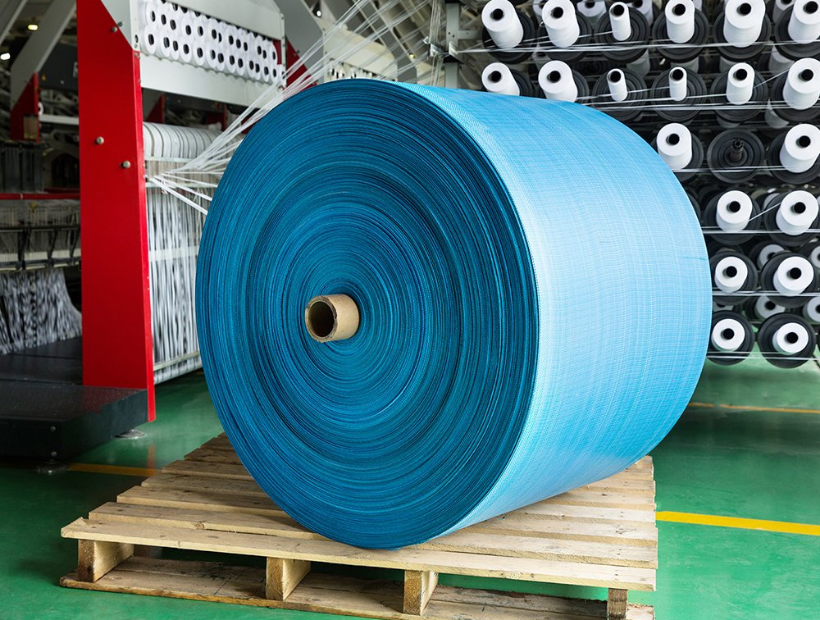
Among PP-based packaging materials, PP woven fabric is particularly well known for its strength and load-bearing performance. PP woven fabric is manufactured by extruding PP into tapes or similar elements and weaving them together to create a strong fabric structure. The interwoven construction provides good tensile strength and durability, making it suitable for packaging products that need to withstand handling, transportation, and storage.

The material can be produced in different thicknesses and specifications depending on the intended application. Manufacturers can also combine the woven fabric with other layers or surface treatments when additional properties are required.

PP woven fabric is widely used across industrial and agricultural sectors, including:

  • Agricultural packaging bags.
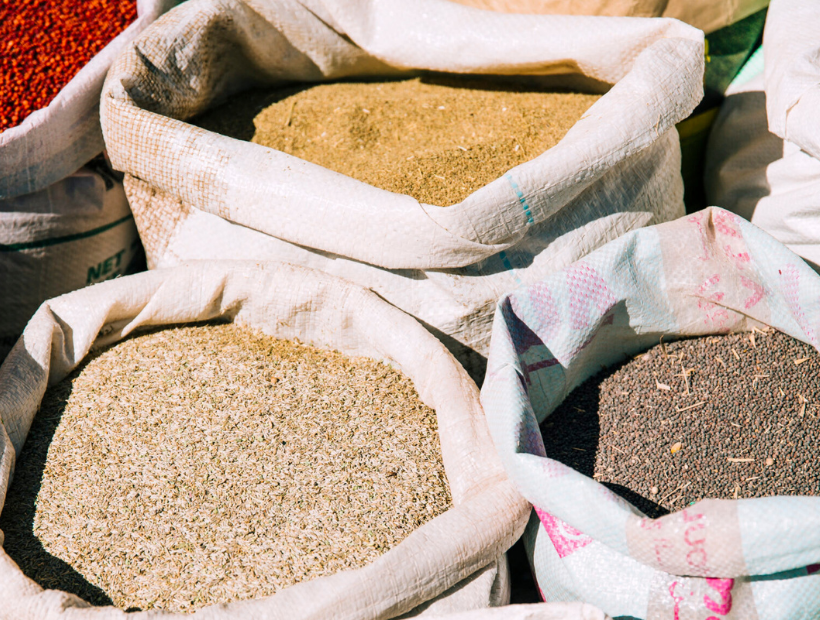
  • Rice and grain bags.
  • Fertilizer bags.
  • Animal feed bags.
  • Cement and construction material bags.
  • Chemical packaging bags.
  • Industrial bulk bags.
  • Jumbo bags and FIBCs.

These applications require packaging that can withstand considerable mechanical stress. PP woven structures are therefore particularly suitable for businesses that need reliable packaging for heavy or bulky materials.

PP Woven Bags for Retail and Consumer Markets

The application of PP woven fabric is not limited to industrial packaging.

With appropriate design and printing, PP woven bags can also be used in retail environments as reusable shopping bags, market bags, supermarket bags, promotional bags, and other reusable packaging products.

The relatively large surface area of woven bags provides space for logos, slogans, product information, and promotional graphics. This allows businesses to combine packaging functionality with brand communication.

A well-designed PP woven shopping bag can remain in use long after the original purchase, giving the brand additional visibility every time the customer carries it in public.

4. PP Non-Woven Fabric – Lightweight, Versatile, and Practical

Alongside PP woven fabric, PP non-woven fabric is another important material used in modern reusable packaging. Unlike woven fabric, which is produced by interlacing yarns or tapes, non-woven fabric is manufactured by bonding or mechanically interlocking fibers. This creates a lightweight and flexible material that can be processed into various bag shapes and designs.

PP non-woven fabric is particularly popular for consumer-oriented products because it offers a good combination of lightweight construction, flexibility, appearance, and cost efficiency.

Typical applications include:

  • Reusable shopping bags.
  • Supermarket bags.
  • Promotional and giveaway bags.
  • Event and conference bags.
  • Fashion and retail bags.
  • T-shirt bags.
  • Gift bags.
  • Branded corporate bags.

The material can be produced in various colors and thicknesses, while its relatively flat surface provides a suitable area for printing.

For companies participating in exhibitions, promotional campaigns, or corporate events, customized PP non-woven bags can serve both as practical packaging and as a communication tool.

5. PP Woven vs. PP Non-Woven: Which One Is More Suitable?

Both PP woven and PP non-woven fabrics can provide valuable packaging solutions, but their characteristics make them suitable for different purposes. PP woven fabric is generally preferred when strength, durability, and load-bearing capacity are the primary requirements. It is particularly suitable for industrial packaging and reusable bags designed to carry heavier products.

PP non-woven fabric, on the other hand, is often selected for lightweight consumer packaging where appearance, flexibility, customization, and cost efficiency are important considerations. The choice should therefore be based on the intended application rather than simply selecting one material as universally better than the other.

Businesses should consider factors such as:

  • Product weight and dimensions.
  • Expected frequency of reuse.
  • Required material thickness.
  • Moisture resistance requirements.
  • Printing and branding needs.
  • Bag structure and handle design.
  • Order volume.
  • Target cost.
  • Storage and transportation conditions.

By evaluating these factors before production, businesses can select a PP packaging solution that provides the right balance between performance, appearance, and cost.

6. Comprehensive PP Packaging Solutions from Stavian Green Packaging

Choosing the right packaging material is only the first step. Businesses also need a manufacturing partner capable of delivering consistent quality, flexible customization, and solutions that match their specific application requirements.

Stavian Green Packaging provides a wide range of PP woven and PP non-woven packaging solutions for different industries and business needs. Customers can select from various sizes, colors, thicknesses, designs, and printing options, allowing packaging to be customized according to product requirements and brand identity. Whether you need durable PP woven bags for industrial applications or lightweight PP non-woven bags for retail, promotional campaigns, and events, choosing the appropriate material and structure can help optimize packaging performance while supporting long-term business objectives.

PP packaging is more than simply a durable alternative to traditional packaging. With the right design, appropriate usage, reuse, and effective recycling systems, PP can play an important role in creating packaging solutions that are functional, reusable, resource-efficient, and better aligned with circular economy goals.

As businesses continue to adapt to changing environmental expectations, PP packaging can provide flexible solutions that meet both practical packaging requirements and evolving sustainability needs.

Discover PP packaging solutions from Stavian Green Packaging: https://staviangreenpackaging.com/products/

Customers and businesses can connect with us via:

Website: https://staviangreenpackaging.com/
Email: sgp@stavianpackaging.com
Hotline: +84 333 579 229
Facebook: https://www.facebook.com/sgp.staviangreenpackagingvn/

What Makes Pipping Sewing Non-Woven Bags Superior?

Unlike basic non-woven bags, pipping sewing non-woven bags feature reinforced piping along the edges and carefully finished seams. This construction not only improves the bag’s overall durability but also gives it a more structured and premium appearance.

More than a simple carrying tool, a well-designed pipping sewing non-woven bag can become an extension of a brand’s identity. With customized colors, sizes, printing, and finishing details, businesses can create packaging that provides practical value to customers while continuously communicating their brand message.

So, what makes pipping sewing non-woven bags stand out from other packaging options? Let’s explore their key advantages and applications.

Piping sewing non-woven bag

1. Superior Durability – Designed for Long-Term Use

One of the most notable advantages of PP pipping sewing non-woven bags is their durability. The combination of PP non-woven fabric and reinforced piping sewing creates a stronger and more stable bag structure. The piping helps reinforce the edges, which are among the areas that can experience stress during carrying and repeated use.

Compared with lightweight single-use plastic bags, properly designed pipping sewing non-woven bags can withstand repeated handling and are suitable for carrying a wide range of everyday products. The durability of the finished bag depends on several factors, including fabric thickness, bag dimensions, stitching quality, handle construction, and the expected load. Therefore, selecting the appropriate specifications is important when designing bags for specific applications.

For businesses, this durability offers a practical advantage: instead of providing customers with packaging intended to be discarded after one use, companies can offer a reusable bag that remains useful for a much longer period. This can increase the perceived value of the packaging while helping businesses optimize packaging costs over the long term.

2. Reinforced Piping Sewing – Stronger Structure and Better Finishing

Piping sewing is one of the defining features that distinguishes this type of non-woven bag from simpler designs. A piping strip is incorporated along selected edges of the bag, helping reinforce the structure while creating a clean and defined outline. The result is a bag that tends to maintain its shape better and gives a more carefully finished appearance.

From a manufacturing perspective, the quality of the piping and sewing process is extremely important. Even stitching, appropriate thread selection, reinforced stress points, and accurate assembly all contribute to the overall quality of the finished product. For brands that pay close attention to packaging details, this type of construction can create a more polished appearance and help communicate a sense of quality. The piping can also be coordinated with the main fabric or brand colors, giving businesses additional opportunities to customize the appearance of their packaging.

3. Elegant Shape – A More Premium and Professional Look

Piping sewing non-woven bag

Packaging plays an important role in shaping the customer’s first impression of a brand. Pipping sewing non-woven bags are designed to maintain a relatively neat and structured appearance. The reinforced edges help define the shape of the bag and can reduce excessive wrinkling or deformation during normal use. This makes them particularly suitable for businesses where visual presentation is an important part of the customer experience.

Pipping sewing non-woven bags can be used by:

  • Fashion and apparel stores.
  • Cosmetics and beauty brands.
  • Retail stores and showrooms.
  • Corporate gift suppliers.
  • Conferences and exhibitions.
  • Trade fairs and promotional events.
  • Premium promotional campaigns.

For fashion, cosmetics, and lifestyle brands in particular, packaging is often considered part of the overall product experience. A professionally finished bag can complement the products inside and reinforce the brand’s positioning.

4. High Load Capacity – Suitable for Different Products

Another important benefit of pipping sewing non-woven bags is their ability to carry a variety of products when the appropriate fabric thickness and construction are selected. The combination of PP non-woven fabric, reinforced piping, and properly designed handles can provide a stable structure for carrying everyday retail and promotional items. Depending on the specifications, these bags can be used for:

  • Gift boxes and promotional products.
  • Documents, brochures, and catalogs.
  • Cosmetics and personal care products.
  • Clothing and fashion accessories.
  • Packaged food products.
  • Retail merchandise.
  • Corporate gifts and event materials.

For businesses, choosing the correct bag dimensions and material thickness is essential. A bag designed for lightweight brochures will have different requirements from one intended to carry clothing, gift sets, or multiple retail products. A professional manufacturer can help determine the appropriate specifications based on product weight, dimensions, expected frequency of use, and desired appearance.

5. Reusable Packaging – Supporting More Sustainable Consumption

Sustainability is becoming an increasingly important consideration in packaging decisions. Pipping sewing non-woven bags are designed with reusability in mind. Instead of being used once and immediately discarded, they can be used repeatedly for shopping, storage, transportation, or other everyday purposes.

This repeated-use model can help reduce the demand for continuously distributing single-use bags. However, the environmental benefits of reusable packaging depend on how frequently the product is reused and how it is managed at the end of its useful life. Businesses can maximize these benefits by designing bags that are durable enough for repeated use and encouraging customers to keep and reuse them.

For companies pursuing sustainability initiatives, reusable non-woven bags can also serve as a visible way to communicate their commitment to more responsible consumption.

6. Choose High-Quality Pipping Sewing Non-Woven Bags from Stavian Green Packaging

Piping sewing non-woven bag

The quality of a pipping sewing non-woven bag depends not only on the fabric but also on the manufacturing process. Material selection, cutting accuracy, piping quality, stitching consistency, handle construction, printing, and final inspection all contribute to the finished product. For this reason, businesses should work with a manufacturer that can provide suitable customization and consistent production quality.

Stavian Green Packaging is a professional manufacturer and supplier of non-woven packaging solutions, providing customized pipping sewing non-woven bags for both individual and corporate customers.

With flexible production capabilities, Stavian Green Packaging can support different requirements for:

  • Bag sizes and dimensions.
  • PP non-woven fabric thickness.
  • Colors and piping details.
  • Handle and bag structures.
  • Logo and brand printing.
  • Retail and promotional applications.
  • Corporate events and exhibitions.

Whether you are a fashion retailer looking for premium reusable shopping bags, a cosmetics brand seeking customized packaging, or a company preparing promotional bags for an upcoming event, the right pipping sewing non-woven bag can help combine durability, aesthetics, reusability, and brand recognition in one solution.

In an increasingly competitive packaging market, investing in reusable and professionally designed packaging is not simply about carrying products. It is an opportunity to create a stronger customer experience, communicate brand values, and build long-term visibility.

Discover high-quality pipping sewing non-woven bag solutions from Stavian Green Packaging: https://staviangreenpackaging.com/product/piping-sewing-non-woven-bag/

Customers and businesses can connect with us via:

Website: https://staviangreenpackaging.com/
Email: sgp@stavianpackaging.com
Hotline: +84 333 579 229
Facebook: https://www.facebook.com/sgp.staviangreenpackagingvn/

Groundbreaking Ceremony of the “Environmentally Friendly Packaging Factory” in Phu Tho: A New Step in Green Development Strategy

On November 26, 2025, at the Thai Hoa – Lien Son – Lien Hoa Industrial Park (Lien Hoa Commune, Phu Tho Province), Stavian Green Packaging Joint Stock Company – a member of Stavian Group – held the groundbreaking ceremony for its Environmentally Friendly Packaging Factory. This project is one of the key initiatives in Stavian Group’s strategy to expand its green manufacturing ecosystem and promote export growth.

The ceremony was attended by Stavian Group’s Board of Directors, representatives of financial institutions, the construction contractors, along with strategic partners and distinguished guests. The project is expected to make a positive contribution to Phu Tho Province’s sustainable industrial development goals for 2025.

Speaking at the event, Mr. Victor, Vuong Dinh Hoang – General Director of Stavian Green Packaging – emphasized the importance of the project amid the rapidly increasing global demand for environmentally friendly packaging. The plant will focus on producing PP (Polypropylene) packaging. This safe, durable, and highly recyclable material meets stringent standards in major export markets such as Europe, the United States, and Japan. With a strategic vision of exporting 90% of its output, the project will help enhance Vietnam’s packaging export turnover and strengthen the country’s position on the global map. These two primary product lines include woven fabric and non-woven fabric, catering to diverse industrial and consumer packaging needs.

Mr.Victor Vuong Dinh Hoang – General Director of Stavian Green Packaging – delivered a speech at the groundbreaking ceremony.

The project covers 3.5 hectares in a prime location within the Thai Hoa – Lien Son – Lien Hoa Industrial Park, invested by Amane Investment Joint Stock Company. Phase 1 includes the construction of 19,000 m² of floor area across two workshops, A and B with a designed annual capacity of 13,500 tons. In Phase 2, the project will expand the total floor area to 35,000 m², increasing the designed capacity to 50,000–54,000 tons per year, establishing a large-scale manufacturing complex with outstanding competitiveness.

The construction is undertaken by C.E.T Engineering and Trading Joint Stock Company, a contractor with extensive experience in building international-standard factories for partners from Japan, Taiwan, and China. The project also receives financial backing from the Bank for Investment and Development of Vietnam (BIDV), providing a solid foundation for its implementation.

The groundbreaking ceremony marks an important beginning in realizing Stavian Group’s vision of a modern, internationally compliant green packaging production model. Upon completion, the plant will not only expand the Group’s manufacturing capacity but also contribute to emission reduction, promote sustainable consumption, and foster green industrial development in Phu Tho and the surrounding region.

The project reaffirms Stavian Group’s commitment to investing in long-term, high-value industrial and technological sectors, while accompanying the development of local communities and the broader society.

The Perfect Combination: Non-Woven Fabric & BOPP Film for Durable, Elegant Bags

Consumers increasingly pay attention to appearance, convenience, durability, and environmental responsibility when choosing products and brands. As businesses look for packaging solutions that can combine functionality with strong visual appeal, BOPP-laminated non-woven bags have emerged as a practical and versatile option.

Combining the lightweight and reusable properties of non-woven fabric with the excellent printing and protective performance of BOPP film, these bags offer an effective balance between durability, aesthetics, customization, and brand communication. From retail shopping bags to conference bags, promotional packaging, and premium gift bags, BOPP-laminated non-woven bags can be adapted to meet the diverse requirements of modern businesses while supporting a more sustainable approach to packaging.

1. Product Structure – A Smart Blend of Material and Technology

BOPP-laminated non-woven bags are designed through the combination of several material and production technologies. Each component plays an important role in determining the bag’s strength, appearance, usability, and overall performance.

1.1. Non-woven fabric – The strong and lightweight foundation

pp non-woven fabric

The main body of the bag is generally made from polypropylene (PP) non-woven fabric. Produced from PP fibers bonded together through specialized processes, non-woven fabric is known for being lightweight, flexible, and durable.

Compared with many conventional packaging materials, non-woven fabric offers a good balance between strength and weight. This makes the bags easy to carry while still being capable of holding a wide range of products. The material can also be produced in different colors and thicknesses, giving businesses greater flexibility when developing packaging according to their specific requirements.

Another important advantage is reusability. Unlike many single-use packaging products, non-woven bags can be used repeatedly for shopping, storage, events, or promotional activities. With proper design and use, they can become a practical part of a customer’s daily life while helping brands maintain visibility beyond the initial purchase.

1.2. Heat-sealing technology – Strong and refined construction

Leader box non-woven laminated BOPP film bag

Heat-sealing technology is another important element in the construction of many non-woven bags. Instead of relying entirely on conventional stitching, heat is applied to specific areas of the material to create secure seams and connections.

A well-controlled heat-sealing process can help produce smooth and neat edges while improving the overall structural integrity of the bag. The finished product can maintain a clean appearance and provide reliable performance during transportation and repeated use.

For businesses, this combination of functionality and appearance is particularly valuable. A bag is not only expected to carry products safely but also needs to represent the brand professionally whenever customers reuse it.

1.3. Outer BOPP film layer – Protection and premium appearance

The BOPP film layer is laminated onto the outer surface of the non-woven fabric to enhance both appearance and performance. BOPP, or biaxially oriented polypropylene, is widely used in packaging because of its clarity, strength, surface properties, and suitability for high-quality printing.

Depending on the desired design, businesses can choose glossy or matte finishes. A glossy finish can create a bright and eye-catching appearance, while a matte finish can provide a more sophisticated and understated visual effect. The laminated surface also creates an additional protective layer against moisture, dust, and everyday surface abrasion. More importantly for brand owners, BOPP film provides an excellent surface for printing detailed graphics, vibrant colors, logos, promotional messages, and product information.

As a result, the bag becomes more than just packaging—it becomes a mobile branding tool that can accompany customers wherever they go.

2. Key Advantages – Where Function Meets Elegance

Leader box non-woven laminated BOPP film bag

The popularity of BOPP-laminated non-woven bags comes from their ability to combine practical performance with attractive visual design. For businesses, this creates packaging that can meet functional requirements while contributing to marketing and brand-building activities.

2.1. High aesthetic appeal

One of the most recognizable characteristics of BOPP-laminated non-woven bags is their attractive appearance. The BOPP surface allows for sharp, colorful, and detailed printing, making it suitable for brands that want their packaging to stand out.

Businesses can incorporate logos, product images, slogans, illustrations, brand colors, and promotional messages into the bag design. High-quality printing can help create a more professional presentation and strengthen visual consistency across different marketing materials.

For retailers and consumer brands, this is particularly valuable because customers may continue using the bag after leaving the store. Every reuse provides another opportunity for the brand logo and message to be seen by other people.

2.2. Superior durability

Durability is another major advantage. The combination of non-woven PP fabric, laminated BOPP film, and appropriate bag construction creates a packaging product that can withstand regular handling and repeated use.

The non-woven layer provides the basic strength of the bag, while the construction method helps reinforce the seams and handles. Meanwhile, the BOPP film contributes an additional protective surface layer.

Depending on the selected material thickness, dimensions, handle design, and production specifications, the bags can be manufactured to accommodate different load requirements. This makes them suitable for applications ranging from everyday retail shopping to promotional and event packaging.

2.3. Reusable and more environmentally responsible

Sustainability has become an increasingly important consideration in packaging decisions. Consumers and businesses are looking for ways to reduce dependence on disposable packaging and encourage more responsible consumption habits.

BOPP-laminated non-woven bags can support this approach through repeated use. Instead of being discarded after a single shopping trip, a well-designed bag can be reused for groceries, personal belongings, events, or other daily activities.

However, it is important to consider the complete product structure when evaluating environmental performance. Because these bags combine non-woven PP and BOPP film, recycling considerations can depend on the specific construction, material composition, and local recycling infrastructure. Therefore, businesses should work with manufacturers to select appropriate material specifications and end-of-life solutions for their target market.

2.4. Customizable and versatile

Another key benefit is the high degree of customization available. BOPP-laminated non-woven bags can be produced in different sizes, shapes, colors, handle styles, printing layouts, and finishes.

For example, a supermarket may require large reusable shopping bags, while a cosmetics brand may prefer smaller bags with a premium matte finish. A company attending a trade show may choose a larger conference bag designed to hold brochures, catalogs, and promotional products.

This flexibility allows businesses to develop packaging that matches their brand identity rather than relying on standardized packaging formats.

3. Applications – A Smart Packaging Solution for Every Industry

Thanks to their combination of durability, appearance, and customization, BOPP-laminated non-woven bags can serve a wide range of commercial and promotional purposes.

3.1. Shopping bags for supermarkets and fashion stores

Retail is one of the most common applications. Supermarkets, convenience stores, fashion retailers, and specialty shops can use reusable bags to provide customers with a practical carrying solution while simultaneously promoting their brand. A carefully designed shopping bag can incorporate the company logo, store colors, promotional campaigns, or seasonal graphics. Because customers may reuse the bag, the brand can continue to gain visibility after the original purchase.

3.2. Conference and event bags

BOPP-laminated non-woven bags are also well suited for conferences, exhibitions, seminars, trade shows, and corporate events. Event organizers can customize the bags with company logos, event names, dates, sponsors, and other visual elements. The bags can then be used to carry brochures, catalogs, documents, samples, notebooks, and promotional gifts.

Compared with disposable packaging, reusable event bags can provide longer-lasting value and continue to promote the event or organization after the event has ended.

3.3. Premium packaging for cosmetics, pharmaceuticals, and FMCG

For cosmetics, personal care products, pharmaceuticals, and fast-moving consumer goods, packaging plays an important role in shaping customers’ perceptions of product quality. The glossy or matte BOPP surface can create a polished appearance that complements premium product positioning. High-quality printing also allows brands to present product information and visual elements clearly.

For products that require additional protection from external conditions such as dust or light surface moisture, the laminated outer layer can provide an additional barrier, depending on the specific material structure and application requirements.

3.4. Elegant gift bags and promotional packaging

Gift packaging provides another opportunity for businesses to use BOPP-laminated non-woven bags as part of their branding strategy. Corporate gift bags, holiday packaging, promotional giveaways, and special-event bags can all be customized with distinctive designs. A well-designed bag can make the presentation of a gift feel more professional while creating an additional branded item that recipients may continue to use.

For businesses, this means the packaging itself can contribute to customer experience and brand recognition rather than simply serving as a temporary container.

4. Stavian Green Packaging – A Trusted Supplier of BOPP-Laminated Non-Woven Bags

Choosing the right manufacturer is key to ensuring BOPP-laminated non-woven bags deliver both durability and strong visual branding. Stavian Green Packaging provides customized non-woven packaging solutions for retail, events, promotions, fashion, FMCG, and other business applications.

Key advantages include:

  • Flexible sizes, colors, and material specifications
  • Glossy or matte BOPP lamination
  • Customized printing for logos, images, and brand messages
  • Various designs and applications
  • Production tailored to customer requirements

With a combination of durable non-woven fabric, protective BOPP lamination, and high-quality printing, these bags offer a practical and attractive solution for businesses seeking reusable packaging with strong branding potential.

Discover our non-woven fabric products: https://staviangreenpackaging.com/products/

Contact us:
Email: sgp@stavianpackaging.com
Hotline: +84 333 579 229
Facebook: https://www.facebook.com/sgp.staviangreenpackagingvn/
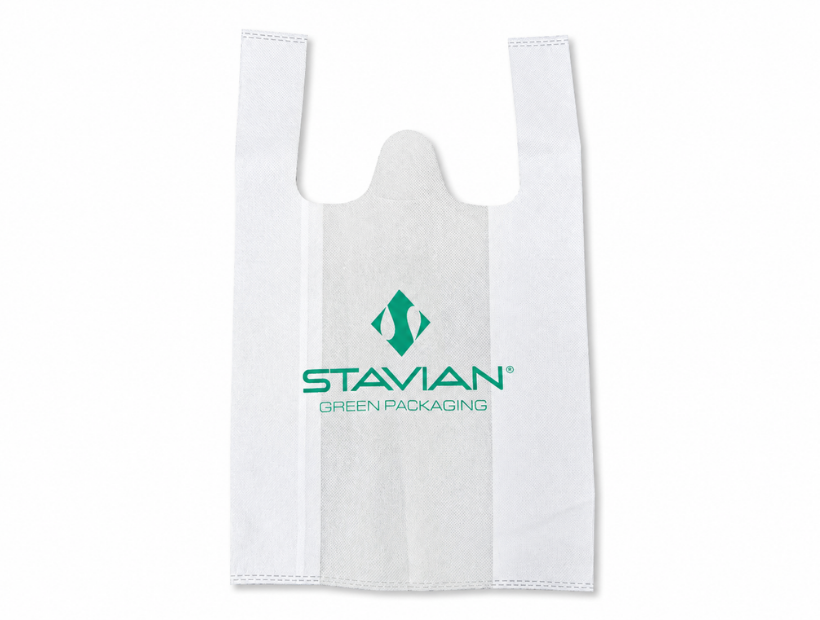
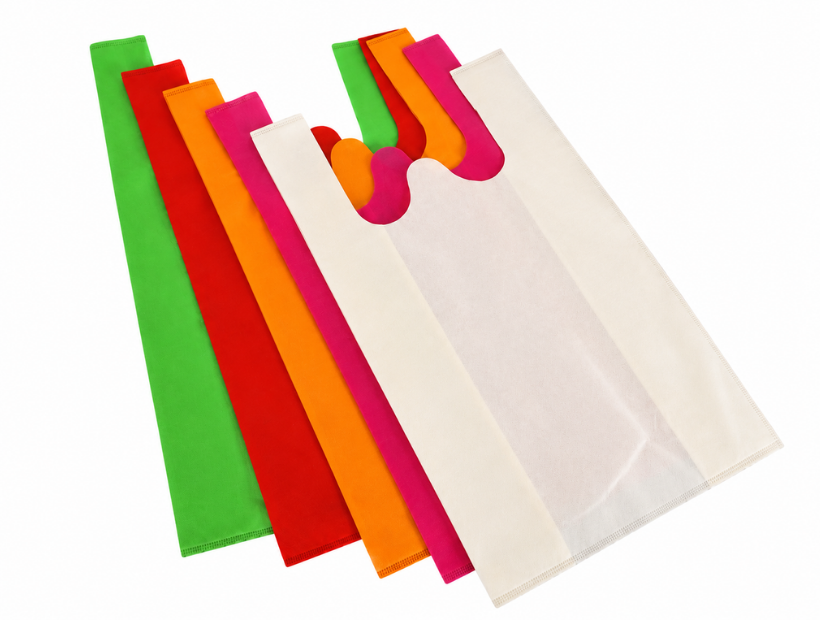
Receive free product samples


    Phone WhatsApp