Heat-seal bags or sewing bags? Compare characteristics of these two packaging types

Are you considering whether to invest in heat-seal bags or use durable, reinforced sewing bags to optimize your company’s packaging costs? In modern supply chain management, choosing the right packaging structure is not simply about containing products. It is a strategic decision that helps protect product quality, optimize logistics and handling costs, and enhance brand value.

The following article provides an in-depth analysis of the technical characteristics, mechanical strength, and practical applications of heat-seal bags versus sewing bags, helping your business make a more informed purchasing decision.
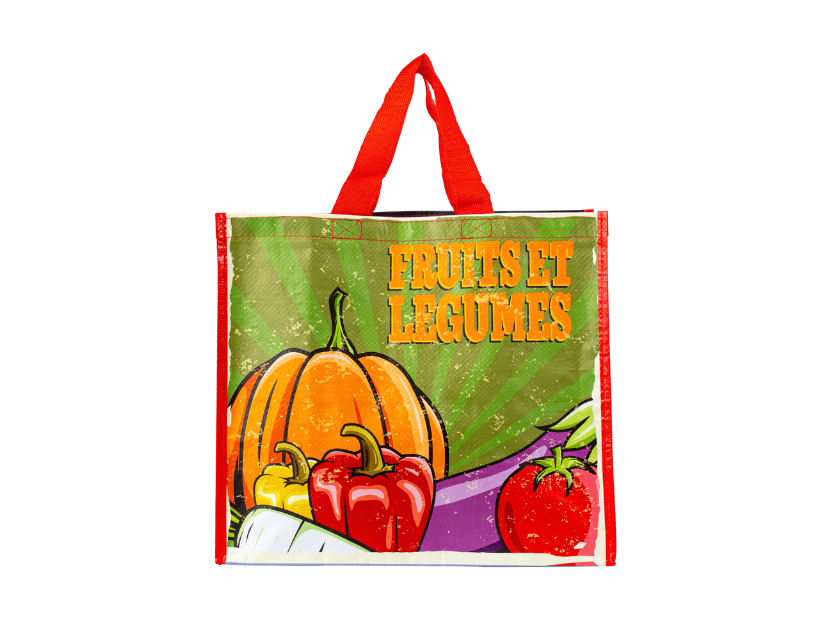
sewing bags

1. Overview of Heat-Sealed Bags and Sewn Bag Solutions for Packaging

To gain a comprehensive understanding, let’s first look at the bonding mechanisms used in each type of packaging.

  • Heat-seal bags: These bags use high temperatures combined with mechanical pressure to melt the surface layer of plastic materials such as PE, PP, or laminated composite films. During rapid cooling, the molten polymer chains intermingle and fuse together, creating a completely sealed seam.
  • Sewing bags: These bags use industrial sewing systems and reinforced sewing threads, such as woven PP fibers and high-strength polyester, to mechanically join the edges or bottoms of the bag. Sewn bags are typically manufactured from load-bearing materials such as non-woven fabric, woven PP, or laminated composite materials combined with fabric.

The fundamental difference between thermal fusion bonding and mechanical thread stitching is a key factor determining the physical strength and performance characteristics of these two packaging solutions.

Detailed Comparison of Plastic Materials: PP, PE, and Non-Woven PP

  • PE plastic: Soft, flexible, highly impact-resistant, and highly water-resistant. PE is commonly used as a single-layer film or liner for heat-sealed bags, zipper bags, and moisture-resistant inner liners.
  • PP plastic: More rigid than PE, with excellent tensile strength and high scratch resistance, although it can become more brittle at low temperatures. Virgin PP is commonly blown into transparent films or woven into heavy-duty PP bags designed to withstand high loads.
  • Non-woven PP: PP resin is spun into fine filaments and directly thermally bonded, without the conventional yarn-weaving process, to form a lightweight, porous plastic fabric. This material is durable, easy to fold and sew, washable, and reusable multiple times. It is widely used for sewn shopping bags and B2B promotional or gift bags.

2. Mechanical Strength Comparison: Heat-Seal Bags vs. Sewing Bags

From a packaging engineering perspective, durability is evaluated based on a bag’s ability to withstand static loads, transverse tearing forces, impact from free falls, and air tightness.

Technical Criteria Heat-Seal Bags Sewing Bags
Air Tightness & Moisture Resistance Excellent: Effectively prevents the penetration of air, moisture, and microorganisms. Low to Medium: Stitching creates microscopic gaps that may allow air and moisture to penetrate if no inner liner is used.
Load-Bearing Capacity Medium: Sealed seams may split under excessive static loads (>25 kg). Extremely High: Load-bearing fibers distribute weight evenly throughout the sewn bag, supporting loads ranging from 10 kg to 100 kg.
Tear Resistance & Impact Strength More susceptible to seam splitting when dropped from height or compressed under stacked loads. Highly durable stitching provides strong resistance to impact, friction, and handling stress in warehouse environments.

If your business packages delicate products, components, or food products requiring a highly controlled or hygienic environment, heat-sealed bags can provide an effective solution. Conversely, for granular materials, powders, agricultural products, heavy-duty packaged goods, or industrial products subject to frequent handling, durable sewn bags can offer greater mechanical safety and reduce the risk of seam failure or bag rupture.

3. Sustainable Packaging Trends and the Growing Role of Sewn Bags

Stricter environmental regulations in international markets are driving the packaging industry to restructure its approach to materials and product design. According to the updated Circular Economy for Plastics report by Plastics Europe, transitioning toward packaging solutions that can be reused multiple times and increasing the proportion of recycled materials are important steps toward reducing the carbon footprint of supply chains.

Against this backdrop, sewing bags made from non-woven PP or recycled woven PP offer significant potential. Compared with single-use heat-sealed bags, sewn bags can have a considerably longer service life due to their high mechanical strength. Their reusability can support circular packaging models while helping businesses address increasingly stringent ESG and sustainability requirements in demanding export markets.

4. Stavian Green Packaging – A Reliable Partner for Comprehensive Packaging Solutions
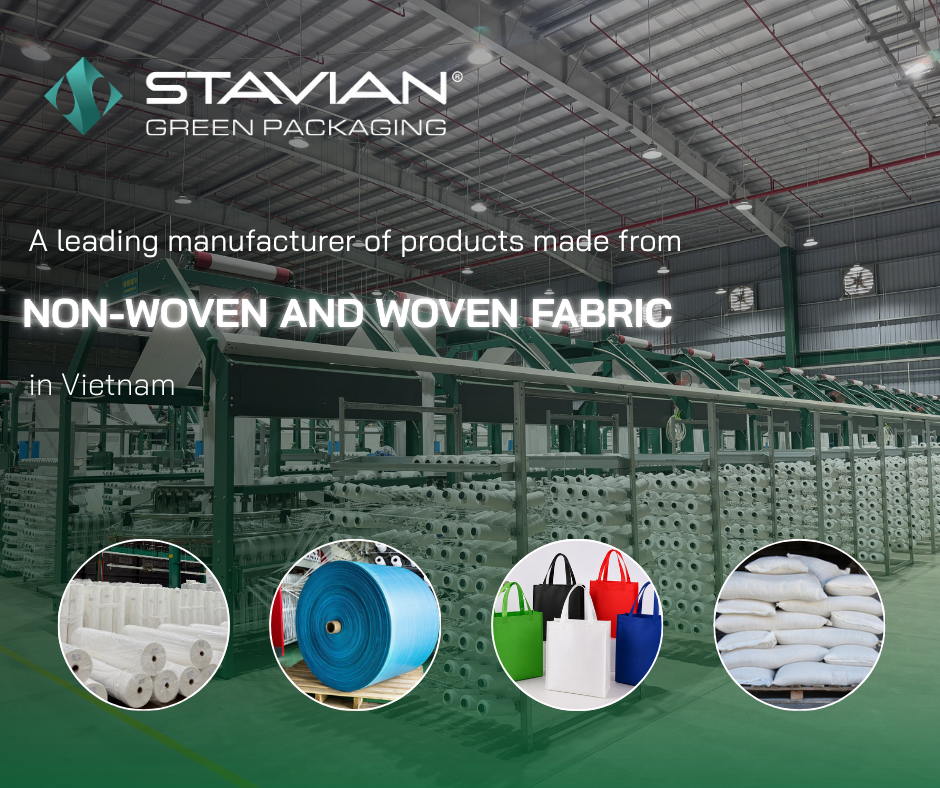
To ensure effective brand communication and safe load-bearing performance across your packaging system, choosing a manufacturing partner with strong technological capabilities is a critical business decision.

Stavian Green Packaging, a member of the Stavian Group, is a leading Vietnamese provider of high-quality laminated woven PP bag solutions for both domestic and international markets. With advanced thermal bonding and mechanical sewing production lines at its Phu Tho manufacturing facility, we are committed to delivering sustainable packaging solutions that comply with the stringent requirements and regulations of international export markets.

The entire production process at Stavian Green Packaging follows rigorous quality management standards and is supported by internationally recognized certifications, including ISO 9001:2015, ISO 14001, BRC, BSCI, REACH, and RoHS, helping us meet the export requirements of global partners across the United States, Europe, and Japan.

Explore Our Products

https://staviangreenpackaging.com/vi/san-pham/

Get in Touch

Website: https://staviangreenpackaging.com/

Email: sgp@stavianpackaging.com

Hotline: +84 333 579 229

Facebook: https://www.facebook.com/sgp.staviangreenpackagingvn/

Reference

https://plasticseurope.org/knowledge-hub/circular-economy-for-plastics-2026/?utm_source=gemini

Groundbreaking Ceremony of the “Environmentally Friendly Packaging Factory” in Phu Tho: A New Step in Green Development Strategy

On November 26, 2025, at the Thai Hoa – Lien Son – Lien Hoa Industrial Park (Lien Hoa Commune, Phu Tho Province), Stavian Green Packaging Joint Stock Company – a member of Stavian Group – held the groundbreaking ceremony for its Environmentally Friendly Packaging Factory. This project is one of the key initiatives in Stavian Group’s strategy to expand its green manufacturing ecosystem and promote export growth.

The ceremony was attended by Stavian Group’s Board of Directors, representatives of financial institutions, the construction contractors, along with strategic partners and distinguished guests. The project is expected to make a positive contribution to Phu Tho Province’s sustainable industrial development goals for 2025.

Speaking at the event, Mr. Victor, Vuong Dinh Hoang – General Director of Stavian Green Packaging – emphasized the importance of the project amid the rapidly increasing global demand for environmentally friendly packaging. The plant will focus on producing PP (Polypropylene) packaging. This safe, durable, and highly recyclable material meets stringent standards in major export markets such as Europe, the United States, and Japan. With a strategic vision of exporting 90% of its output, the project will help enhance Vietnam’s packaging export turnover and strengthen the country’s position on the global map. These two primary product lines include woven fabric and non-woven fabric, catering to diverse industrial and consumer packaging needs.

Mr.Victor Vuong Dinh Hoang – General Director of Stavian Green Packaging – delivered a speech at the groundbreaking ceremony.

The project covers 3.5 hectares in a prime location within the Thai Hoa – Lien Son – Lien Hoa Industrial Park, invested by Amane Investment Joint Stock Company. Phase 1 includes the construction of 19,000 m² of floor area across two workshops, A and B with a designed annual capacity of 13,500 tons. In Phase 2, the project will expand the total floor area to 35,000 m², increasing the designed capacity to 50,000–54,000 tons per year, establishing a large-scale manufacturing complex with outstanding competitiveness.

The construction is undertaken by C.E.T Engineering and Trading Joint Stock Company, a contractor with extensive experience in building international-standard factories for partners from Japan, Taiwan, and China. The project also receives financial backing from the Bank for Investment and Development of Vietnam (BIDV), providing a solid foundation for its implementation.

The groundbreaking ceremony marks an important beginning in realizing Stavian Group’s vision of a modern, internationally compliant green packaging production model. Upon completion, the plant will not only expand the Group’s manufacturing capacity but also contribute to emission reduction, promote sustainable consumption, and foster green industrial development in Phu Tho and the surrounding region.

The project reaffirms Stavian Group’s commitment to investing in long-term, high-value industrial and technological sectors, while accompanying the development of local communities and the broader society.

Why is green packaging becoming the new trend in the packaging industry?

In the era of green living and sustainable development, green packaging and environmental packaging are no longer options but necessities for every business. With growing concerns about climate change and environmental degradation, consumer demand for sustainable alternatives has surged dramatically.

From supermarkets and restaurants to fashion brands and agricultural exporters – all are making strong transitions toward sustainable packaging materials and recyclable packaging solutions, moving away from traditional plastic packaging. So why has green packaging become such a prominent new trend in the packaging industry? This article will clarify the key reasons, real-world applications, and how businesses can effectively catch up with this trend while reducing their environmental footprint and embracing the circular economy.

1. What is green packaging? Outstanding features

green packaging

Green packaging, also known as eco-friendly packaging or sustainable packaging, is a type of product packaging specifically designed to minimize negative impacts on the ecosystem. Green packaging materials typically utilize recyclable materials, biodegradable materials such as PLA (polylactic acid), recycled rPET, or plant-based packaging derived from cassava root starch, wheat straw, and other renewable resources, instead of traditional petroleum-based plastics. These bio-based materials and natural materials serve as effective substitutes for plastic, helping businesses transition away from virgin materials.

The key features of biodegradable packaging include natural decomposition in the environment, easy recyclability, reduced carbon footprint with lower greenhouse gas emissions, and food safety compliance. Unlike conventional polypropylene plastic or regular colored plastics that contain toxic chemicals and harmful substances contributing to microplastics pollution, green packaging made from organic materials, cellulose packaging, bioplastics, and plant-based materials significantly reduces the amount of hard-to-decompose packaging waste while still ensuring high durability, excellent product protection with moisture resistance, and superior aesthetic appeal. These packaging materials represent a fundamental shift toward environmental stewardship in modern commerce, delivering substantial environmental benefits including water conservation and material reduction.

2. Applications of green packaging across industries

Bao bì xanh

2.1. Agriculture Industry

In agriculture, green packaging plays a vital role in food preservation and transporting fresh produce, fruits, and vegetables throughout the sustainable supply chain. Solutions such as compostable bags, breathable PE mesh bags, FSC certified cardboard boxes, and recycled paper packaging help minimize packaging waste from farms to distribution centers. Sustainable sourcing of these protective packaging materials, including post-consumer recycled content, ensures compliance with environmental standards.

These eco-friendly packaging options extend shelf life, reduce spoilage caused by moisture and mold, and are easily recyclable after use. Many Vietnamese agricultural exporters have already switched to sustainable packaging to comply with international food safety and environmental standards, thereby increasing the value of “green” agricultural products while reducing their overall environmental impact.

2.2. Food & Beverage Industry (F&B)

The F&B sector uses the largest volume of packaging and faces the strongest pressure to transition. Sustainable food packaging options in F&B include food bags, PE food wrap films, paper cups, paper bowls, containers made from sugarcane bagasse, areca leaf products, paper straws, bamboo straws, and compostable bags for fast food, bubble tea, snacks, and beverages. Innovative solutions like cornstarch packaging and molded pulp containers made from eco-friendly packaging materials are gaining popularity as sustainable packaging solutions.

These solutions not only ensure food hygiene and good heat resistance but also significantly reduce single-use plastic waste and packaging pollution – one of the biggest challenges in the F&B industry. The adoption of compostable packaging helps businesses meet eco-conscious consumers’ expectations while reducing landfill waste.

2.3. Fashion Industry

In the fashion sector, green packaging design allows brands to demonstrate their sustainability commitment right from the packaging stage. Popular options include recycled kraft paper bags from sustainable forestry, green box solutions, eco-friendly bags made from natural fibers and natural fabrics, jute bags, cotton bags, hemp bags, and reusable packaging made from PP/BOPP woven materials. These packaging alternatives offer superior durability compared to traditional nylon bags or polyester bags.

Sustainable packaging in fashion not only protects clothing and footwear from dust and moisture but also serves as a powerful marketing tool. Today’s eco-conscious consumers increasingly appreciate brands that use eco-friendly packaging, helping elevate the image of “green fashion” while demonstrating environmental responsibility.

2.4. Restaurants & Food Service Industry

Restaurants, cafes, and takeaway services generate enormous amounts of plastic waste from food containers, bags, and straws. Green packaging for restaurants typically includes PFAS-free compostable paper boxes, biodegradable plastic bags, BPA-free PE food wrap films, paper straws made from natural fibers, bamboo straws, and trays crafted from sustainable materials. These sustainable packaging solutions help reduce packaging pollution significantly while ensuring responsible disposal and proper end-of-life disposal management.

Switching to sustainable packaging helps food service businesses reduce long-term waste management costs, comply with restrictions on single-use plastics, and build stronger customer goodwill – especially among environmentally conscious diners who prioritize sustainable business practices and green business operations.

2.5. Branding & Corporate Gift Industry

Branding agencies, event organizers, and corporate gift companies are increasingly choosing green packaging to convey a sustainability message and strengthen brand positioning. From premium recycled paper bags and folding cartons to magnetic rigid boxes and custom-printed biodegradable plastic bags, these solutions make gifts look more luxurious and meaningful while enhancing customer satisfaction. Innovative packaging design using corrugated cardboard and tin boxes adds both aesthetic appeal and environmental value.
Eco-friendly packaging in this field not only protects products but also strengthens the brand’s image as a socially responsible organization. It is particularly suitable for CSR campaigns and gifts for partners or premium clients who value sustainable practices and environmental stewardship.

2.6. Retail Industry

Supermarkets, convenience stores, and e-commerce platforms consume vast quantities of packaging. Green packaging in retail includes biodegradable shopping bags, self-decomposing PE bags as plastic bag alternatives, multi-layer packaging for consumer goods, shipping boxes made from recycled materials, and PE stretch films for pallet wrapping. Retailers are moving away from traditional nylon bags and polyester bags toward more sustainable options that improve operational efficiency while reducing shipping costs and transportation costs through right-sized packaging and minimal packaging approaches.

Many large retail chains in Vietnam have replaced traditional plastic bags with sustainable packaging to align with the national plastic waste reduction plan. This move not only helps reduce plastic pollution and landfill waste but also attracts environmentally aware customers who seek reusable packaging options and make purchasing decisions based on environmental values.

3. Main reasons green packaging is the new trend

3.1. Strong shift in Consumer Awareness

Today’s consumers, especially Millennials and Gen Z, are increasingly environmentally conscious and actively support the green movement. They prefer products with green packaging or sustainable packaging over single-use plastic, demonstrating their commitment to environmental responsibility and sustainable practices. This shift in consumer demand is driving businesses to capture greater market share in the growing green packaging market through eco-friendly initiatives.

Recent surveys show that over 90% of urban Vietnamese consumers are willing to pay more for items using eco-friendly packaging. This change drives businesses to adopt green packaging to meet market demand from eco-conscious consumers who prioritize green business values and environmental stewardship in their purchasing decisions.

3.2. Legal Regulations & Environmental Policies

The Vietnamese government is tightening environmental regulations and packaging regulations on plastic waste reduction and landfill waste management for environmental protection. National plans require supermarkets and shopping centers to switch to environmentally friendly packaging alternatives instead of hard-to-decompose plastic bags.

From 2026, certain single-use items will face circulation restrictions, and a plastic packaging tax may be implemented to discourage non-sustainable options. Globally, Extended Producer Responsibility (EPR) holds companies accountable for collecting and recycling their packaging through sustainable materials management. These policies make green packaging an inevitable trend in the packaging industry, encouraging businesses to conduct life cycle assessment studies and adopt packaging alternatives that support the circular economy.

3.3. Business Benefits & Sustainable Development

Adopting green packaging helps companies achieve regulatory compliance while enhancing brand positioning and customer satisfaction. Sustainable packaging reduces long-term costs through packaging optimization, use of renewable biomass, and recycling initiatives, delivering significant cost savings through material reduction and energy efficiency improvements. It also supports ESG criteria and sustainability goals, making it easier to attract international partners and expand exports. Implementing sustainable business practices through life cycle assessment and sustainable materials management demonstrates corporate environmental responsibility.

4. Stavian Green Packaging – Quality green packaging solutions

As one of Vietnam’s leading packaging manufacturers, Stavian Green Packaging is pioneering sustainable development through green technology and bioplastic product lines. Our Green Packaging Factory specializes in delivering sustainable packaging solutions with large-scale production capacity, modern technology, and rigorous quality assurance processes.

View our green packaging products here: https://staviangreenpackaging.com/products/

Contact us:
Email: sgp@stavianpackaging.com
Hotline: +84 333 579 229
Facebook: https://www.facebook.com/sgp.staviangreenpackagingvn/

Summer Trip 2025 – The Journey of “Unity – Breakthrough” at Vedana Resort, Ninh Binh

On August 2-3, 2025, the employees of Stavian Industrial Manufacturing experienced an exciting Summer Trip at Vedana Resort, Ninh Binh Province. The trip was not only a time to relax but also a journey of bonding, spreading team spirit, and creating unforgettable memories.

Amidst the lush greenery and refreshing nature of Ninh Binh Province, the team visited famous scenic sites, capturing memorable moments and recharging with positive energy.

The highlight of the programme was, the Team Building program activity with the themed “Speed Up”, where each challenge became a testament of agility, cooperation, team strength, and the spirit of breaking through limits.

In the evening, the Gala Dinner took place in a warm atmosphere, featuring lively performances, engaging games, exciting lucky draws, and the awarding of outstanding teams ịn the Team Building activities – recognising their effort, teamwork, and creativity.

In a solemn atmosphere, Mr. Ben, Nguyen Duc Ha – General Director of Stavian Industrial Manufacturing – delivered a speech, expressing his gratitude to all employees, sharing upcoming development directions, and inspiring all to strive together toward greater goals.

Summer Trip 2025 concluded with joy and emotions, yet the spirit of “Unity – Breakthrough” will continue to resonate strongly within each employee, becoming the driving force to conquer new milestones and reaffirm our strength and position on the path of sustainable growth.

Stahaus was honored in the Top 50 Vietnam Well-known Trademark 2024

July 2024 marks a significant milestone for Stahaus as the brand was officially honored in the Vietnam Selection Competitive & Famous Trademarks 2024 ceremony.

The 2024 Vietnam Famous Brand – Competitive Brand Certification Ceremony was held on July 31, 2024, at the Au Co Art Center, Hanoi. The Vietnam Intellectual Property Association organized the ceremony to honor enterprises with reputable brands trusted by the market. The certification evaluates brands based on various aspects such as the history of formation and sustainable development, recognition by experts and customers, revenue and positive contributions to societal development. The event is not only an occasion for businesses to meet and interact but also an opportunity to affirm the position and reputation of enterprises in the market.

At the event, the Stahaus brand was honored to receive the “Top 50 Vietnam Well-known Trademark 2024” trophy and certificate. This achievement is evidence of Stahaus’s relentless efforts to provide Vietnamese consumers with high-quality, safe, and environmentally friendly products.

As a brand of the Stavian Group and produced at Stavian Packaging’s factories, Stahaus has been continuously researching and developing a wide range of products, from food wrap, aluminum foil, and gloves to other kitchen utensils. All Stahaus products are manufactured on modern technological lines, meeting European standards and ensuring absolute safety for users’ health.

Stahaus’s success not only comes from product quality but also from the core values that the brand always aims for, which are:

  • Health Safety: Stahaus always prioritizes the health of consumers;
  • Superior Quality: Stahaus products are manufactured on modern technological lines, meeting European export standards;
  • Product Diversity: Stahaus provides a full range of products to meet the diverse needs of consumers;
  • Professional Service: Stahaus always listens to and meets all customer requirements.

In the future, building on the achievements already attained, Stahaus will continue to innovate tirelessly to bring high-quality products, contributing to improving the quality of life for Vietnamese people.

Stavian Chemical climbing to 17th place on the ICIS 2024 TOP 100 largest Global Chemical Distributors.

Independent Commodity Intelligence Services (ICIS) has published TOP 100 credible Global Chemical Distributors on May 24th 2024. Stavian Chemical Joint Stock Company (Stavian Chemical) achieved an outstanding milestone by climbing to 17th place in the TOP 100 largest global chemical distributors (up from 22nd place in 2021) and ranking 7th in the TOP 100 largest chemical distributors in the Asia-Pacific region. This is a testament to Stavian Chemical’s strong growth and remarkable development despite facing global market challenges.

Stavian Chemical has achieved many admirable accomplishments in the Asia-Pacific region in 2024, as well as significant development in markets such as Africa, the Middle East, the European Union, the United States, and Latin America.

The catalyst behind this remarkable success is the diverse product and service portfolio of Stavian Chemical. In addition to chemical and petrochemical products, Stavian Chemical has expanded to produce and supply high-quality, eco-friendly packaging products at the Hung Yen Factory No. 1 (Stavian Chemical Factory) under Stavian Packaging for global partners. By focusing on research and applying the latest technologies, the bioplastic and biodegradable packaging products produced at Hung Yen Plant No. 1 help protect the environment and promote sustainable development.. Furthermore, Hung Yen Plant No. 1 consistently adheres to international quality management standards, implements advanced technologies as well as applies operational innovations to minimize environmental impacts.

This accomplishment is the testament to the constant effort of Stavian Packaging and Stavian Chemical. We hope that in the upcoming years, Stavianers will continue to maintain the creative spirits and together we will make the Stavian brand become greater, and continue to rise in prestigious rankings.

Receive free product samples


    Phone WhatsApp